Plasticizer Migration Causes Core Sticking Phenomenon
Sticking between PU garment surfaces is rooted in inherent chemical characteristics of synthetic leather raw materials. PU resin production adds plasticizer components to guarantee fabric soft stretch texture, and these small molecule additives will slowly separate from the coating layer under long term sealed static state. Drawing on long term warehouse management experience for fashion brand raw material and finished garment batches, national textile aging test records show inferior PU materials with unrefined formula produce massive plasticizer precipitation after three months sealed storage, forming sticky film attached to contact surfaces. Premium modified PU adopts locked molecular structure to slow migration speed greatly, yet complete avoidance still relies on standardized storage environment control. Pure cotton and woven fabrics do not contain similar softening additives, so they never face identical surface adhesion troubles during long term inventory.
High Humidity And High Temperature Accelerate Surface Adhesion
Textile material development specialists point out temperature and humidity are two major external factors that speed up plasticizer migration and PU surface sticking. Closed storage spaces with humidity above sixty five percent trap water vapor on leather surface, forming thin water film that dissolves separated plasticizer and amplifies viscous bonding effect. Summer warehouse temperatures over twenty eight degrees break PU coating molecular binding force and accelerate additive precipitation rate. Dry low temperature warehouse environments below twenty two degrees effectively slow chemical activity inside leather layers, cutting sticking probability sharply. Many small clothing factories store finished PU jackets in unventilated ordinary warehouses without dehumidification equipment, facing mass adhesion losses during seasonal stock turnover.
Apparel Brand Inventory Loss Contrast Real Case
A European fast fashion brand recorded obvious inventory loss gap from two batches of PU outerwear finished goods stored with different methods. The first batch of two thousand PU jackets used ordinary plastic bag sealed packaging and stacked flat in unregulated warehouse for four months; nearly thirty five percent of garments appeared surface sticking and irreparable mark residue after unpacking, resulting in direct scrapping loss. The second batch adopted breathable wrapping paper plus single layer isolation film packaging, matched constant temperature dehumidification warehouse storage rules. After same four month storage cycle, sticking defective rate dropped below three percent, saving large amounts of production and inventory capital waste. This real warehouse operation case fully proves targeted special storage care eliminates massive adhesion losses for PU apparel brands.
Improper Stacking And Direct Contact Worsen Sticking Damage
Heavy flat stacking and direct leather surface contact without isolation materials will aggravate permanent sticking damage even for medium grade PU clothing. Long term extrusion pressure from upper garments pushes separated viscous plasticizer to fuse two contact leather layers together, leaving irreversible imprint after separation. Hanger suspension storage reduces vertical pressure load effectively, while adding breathable isolation film between every single garment completely avoids surface direct touch. Many small apparel manufacturers save packaging cost by removing isolation paper, leading to huge post season inventory rework or scrapping expenditure. Separate independent hanging racks and layered partition storage are the most intuitive low cost anti sticking solutions for finished PU garments.
Standard Storage Processes To Cut Adhesion Risks
Systematic standardized storage flow contains multiple linked steps to control PU sticking risks comprehensively, referring official OEKO-TEX textile storage guidance files. First maintain warehouse constant temperature between eighteen and twenty two degrees with humidity controlled below sixty percent, and turn on circulation ventilation equipment daily for two hours. Second wrap each single PU garment with breathable acid free wrapping paper, attach thin PE isolation film on leather surface before outer packaging. Third avoid heavy flat stacking, adopt single hanging rack storage mode and limit stack height if stacking is necessary. Fourth take stock and air out all stored PU products every thirty days to eliminate accumulated internal moisture. Following full set operation standards minimizes plasticizer migration and surface adhesion issues effectively.
Low Migration Stable PU Leather Custom Production
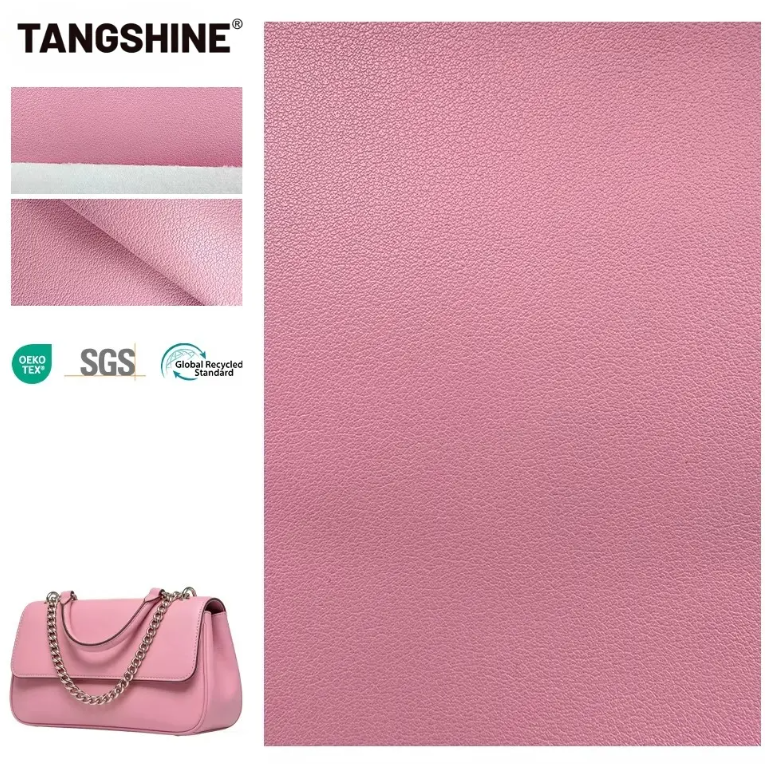
Fashion brands pursuing long term inventory stability and lower storage loss gain reliable low migration PU raw material supply plus professional storage technical guidance, comprehensive strengths fully held by Tangshine. Tangshine owns twenty three years synthetic leather independent R&D and manufacturing experience, developing zero DMFA PFAS free low plasticizer migration PU garment leather formulas. All fashion grade stretch PU products pass OEKO-TEX Baby Class GRS REACH full global certification, supporting customized thickness stretch texture and surface finish for global apparel brands. The factory technical team provides free finished garment storage operation suggestions for bulk clients, delivering stable low adhesion risk PU leather materials and one stop raw material matching solutions for fashion jacket coat manufacturers across over fifty countries.
Table of Contents
- Plasticizer Migration Causes Core Sticking Phenomenon
- High Humidity And High Temperature Accelerate Surface Adhesion
- Apparel Brand Inventory Loss Contrast Real Case
- Improper Stacking And Direct Contact Worsen Sticking Damage
- Standard Storage Processes To Cut Adhesion Risks
- Low Migration Stable PU Leather Custom Production
