Real‑world losses caused by vague material specifications
Many sourcing teams rely only on visual sample approval when ordering faux leather fabric, without locking down detailed physical property data. One past sourcing project for outdoor garment production shows exactly how risky this practice can be. A brand approved a small physical sample with ideal soft touch and surface finish, yet the bulk delivery failed to match expected performance. The fabric showed poor stretch recovery after repeated bending, and small cracks appeared on finished jackets after short‑term consumer use. The brand faced costly rework and delayed shipment because no formal physical property requirements were written into purchasing contracts. Visual appearance can trick buyers. Two rolls of faux leather can look nearly identical, while holding huge gaps in mechanical durability. Clear written specifications for physical properties protect both buyers and suppliers from unexpected quality failures in mass production.
Core mechanical performance that defines service life
Mechanical properties set the baseline for how long faux leather products can hold up under real use. Thickness serves as the most basic reference point, yet many buyers overlook matching backing fabric structure together with thickness values. For stretch garment applications, stretch recovery rate becomes highly important. Good two‑way or four‑way stretch faux leather needs to bounce back after repeated stretching instead of staying permanently deformed. Peel strength measures bonding force between surface coating and base fabric. Low peel strength will lead to delamination and peeling over time, a common complaint for low‑cost bags and jackets. Tear resistance determines whether small cuts will expand into large rips during sewing or daily usage. Furniture and bag projects require higher tear resistance than lightweight apparel fabrics. Every end product category needs customized mechanical targets instead of applying one universal set of numbers for all orders.
Surface durability and color retention for end‑user scenarios
Even with solid mechanical strength, faux leather can still fail quickly if surface related properties do not fit usage conditions. Abrasion performance measured through standard taber testing tells buyers how well the surface stands against daily friction. Sofa upholstery and bag materials demand much higher abrasion resistance than fashion garments. Cold flex resistance simulates low‑temperature environments. Fabrics for winter outerwear or export to cold climate regions must pass repeated cold bending cycles without surface cracking. Color fastness covers dry rubbing, wet rubbing and light exposure. Poor color fastness causes dye transfer onto clothing or obvious fading after sunlight exposure. Buyers should define these test standards clearly according to target market climate and consumer usage habits.
Regulatory compliance and material stability as non‑negotiable benchmarks
Physical property specifications cannot be separated from global compliance requirements. Leading testing bodies and regulatory frameworks such as REACH 173 restriction lists and OEKO‑TEX Baby Class 1 set clear limits for harmful chemical substances inside faux leather. Products targeting children’s wear or European markets must meet these strict rules. PFAS‑free and zero DMFA material requirements also grow more common among global brand buyers. Visual inspection cannot detect hidden chemical risks. Reliable material suppliers provide complete third‑party laboratory test reports alongside physical data sheets. Sourcing teams should never treat compliance certificates as optional attachments. Non‑compliant fabric will trigger customs hold, product recalls and heavy financial losses for downstream brands.
Practical balancing act between performance and commercial goals
Sourcing professionals must learn to balance physical performance targets with project budget and delivery schedules. Higher tear resistance or superior abrasion performance usually comes with higher material cost. It makes no sense to specify furniture‑grade heavy‑duty parameters for thin fashion garments. Buyers should sort out real end‑user pain points first, then set reasonable test index values instead of copying over‑strict standards blindly. Transparent communication with material suppliers helps filter unrealistic requirements. Well‑defined specifications also simplify sample confirmation and mass‑production quality inspection work, cutting unnecessary rounds of sample revision.
Manufacturing capability behind consistent faux leather output
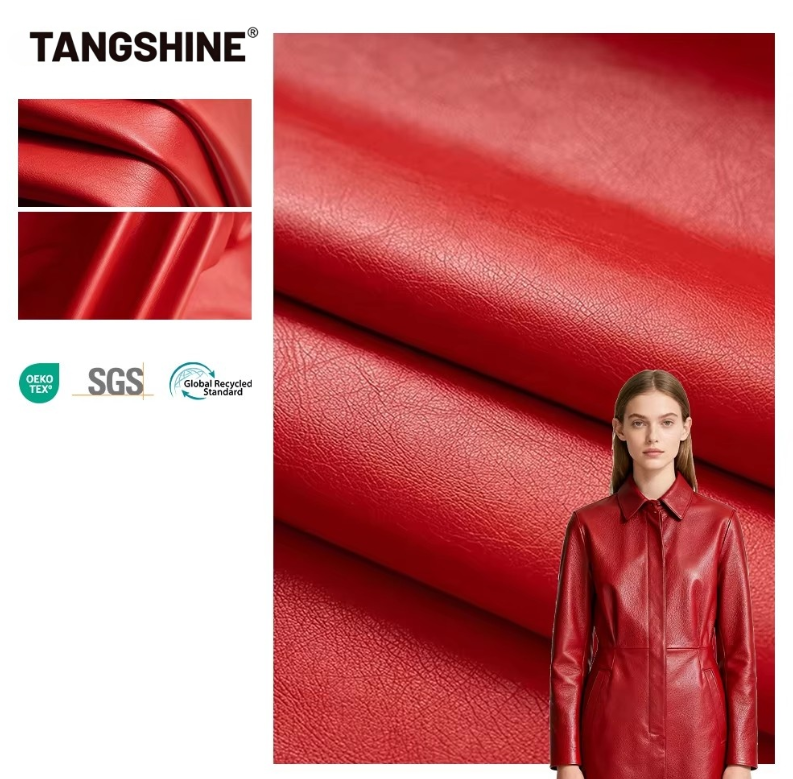
Accurate specification documents only deliver value when supported by stable manufacturing execution. Tangshine brings more than twenty years of professional faux leather manufacturing experience, operating large‑scale production facilities with complete internal research and development workflows. Its product portfolio covers PU and PVC faux leather for garments, bags, furniture and protective gear. The team can adjust thickness, stretch rate, surface finish and functional features for custom projects. Supported by mature testing protocols and strict multi‑stage quality control, it delivers consistent bulk material to hundreds of apparel and furniture brands worldwide. Custom color matching, custom print patterns and quick sample iteration are available for partners with diverse market requirements.
Table of Contents
- Real‑world losses caused by vague material specifications
- Core mechanical performance that defines service life
- Surface durability and color retention for end‑user scenarios
- Regulatory compliance and material stability as non‑negotiable benchmarks
- Practical balancing act between performance and commercial goals
- Manufacturing capability behind consistent faux leather output
