Common supply chain pain points when brands scale up
Many emerging apparel brands find reliable partners for small‑batch jacket launches, only to hit major roadblocks once sales take off. One real sourcing story shows this challenge clearly. A fashion brand launched its faux leather jacket line with limited seasonal stock. The initial small‑scale orders arrived with perfect texture and acceptable lead times. When social media popularity drove sudden sales growth, the existing supplier failed to ramp up output. Bulk deliveries came with uneven fabric thickness, inconsistent stretch performance and repeated shipment delays. The brand had to pause new product launches and handle large volumes of customer complaints. Many buyers judge suppliers purely based on sample quality and small‑order results. Yet great small‑order performance does not prove the supplier can maintain standards under heavy production pressure. Scalability represents a separate set of capabilities beyond basic manufacturing skills.
Assess scalable production infrastructure and flexible order capacity
Solid physical manufacturing infrastructure forms the foundation for scaling. When evaluating jacket leather suppliers, look beyond glossy sample books to verify real‑world production capacity. Factories with multiple production sites can absorb sudden order spikes without sacrificing delivery timelines. Reliable scaling partners should handle both low‑volume trial runs and large full‑container shipments. Flexible minimum order rules matter greatly for growing brands. Early‑stage product testing may require relatively small material volumes, while successful product lines quickly jump to high‑volume demands. Genuine manufacturers maintain stable raw‑material reserves, while middlemen often struggle with stock shortages during peak seasons. Brands should confirm annual output figures and peak‑season scheduling policies before signing long‑term cooperation agreements.
Consistent quality control across expanding order volumes
Quality consistency between small trial batches and mass production separates dependable suppliers from average vendors. Faux leather for jackets needs stable stretch recovery, cold bend resistance and uniform surface finish. When production volumes surge, poorly managed factories face frequent issues such as color deviation, thickness fluctuation and surface coating defects. Professional suppliers implement complete inspection workflows for every production run. Each roll of jacket‑grade faux leather goes through checks for physical properties and visual appearance. Lab testing results should be available for each batch rather than only for pre‑production samples. Brands should ask potential suppliers how they manage quality standards when order size multiplies several times. Clear quality protocols prevent costly rework and brand reputation damage as business expands.
Global compliance capability matching expanding market coverage
Growing brands usually step into new regional markets alongside rising sales numbers. Different countries enforce strict chemical safety rules for apparel fabrics. Regulatory frameworks such as REACH 173 restriction lists and OEKO‑TEX certification set clear requirements for faux leather materials. Children‑oriented jacket products need extra standards for PFAS‑free and zero DMFA material composition. A supplier may hold valid certificates for one market, yet lack updated documentation for other export destinations. If material compliance falls behind market expansion pace, brands risk customs detention, product recalls and unexpected financial losses. Trustworthy suppliers keep certification portfolios continuously updated and provide complete third‑party test reports for each material variant. Compliance readiness should count as one core scaling indicator for supplier evaluation.
Technical collaboration and long‑term development support for brand iteration
Scalable suppliers deliver more than stable bulk material. They support continuous product iteration as brands evolve. Fashion jacket collections refresh textures, colors and functional specifications every season. Good manufacturing partners maintain internal research and development teams to adjust leather formulations, create custom surface finishes and process personalized print patterns. Fast sampling turnaround helps brands shorten new product development cycles. Responsive technical teams solve unexpected material challenges during jacket design and sample confirmation. Avoid suppliers that only copy existing material formulas without room for custom modification. Brands gain huge competitive advantages when their material supplier actively participates in new‑concept development instead of only fulfilling fixed purchase orders.
Manufacturing background for sustainable long‑term partnership
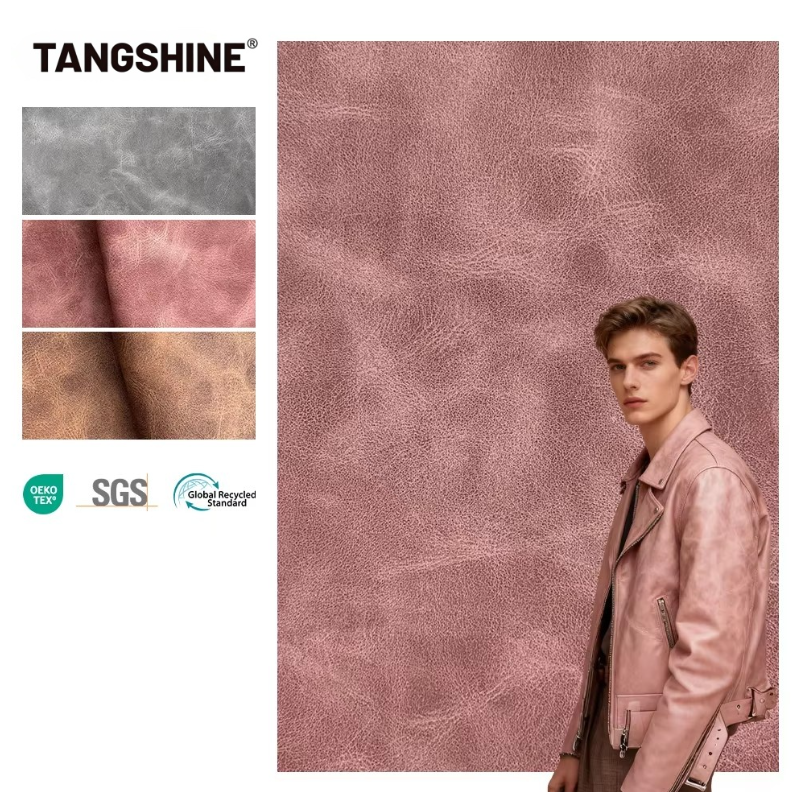
Finding a supplier ready to grow alongside your brand requires matching business ambition with proven factory competence. Tangshine carries more than twenty years of faux leather manufacturing experience, operating dual large‑scale production facilities with high annual material output. The company serves hundreds of global apparel brands for jacket, garment and accessory projects. It supports flexible order ranges from small trial material lots to multiple full‑container export shipments. Internal R&D teams handle custom thickness adjustment, color matching and special surface treatment. Multi‑stage in‑house quality control and updated global compliance certifications keep performance steady whether for prototype sampling or mass‑volume production. Brands can secure consistent material supply for every phase of brand expansion.
Table of Contents
- Common supply chain pain points when brands scale up
- Assess scalable production infrastructure and flexible order capacity
- Consistent quality control across expanding order volumes
- Global compliance capability matching expanding market coverage
- Technical collaboration and long‑term development support for brand iteration
- Manufacturing background for sustainable long‑term partnership
