Real‑world alteration experience with PU apparel
Many shoppers purchase stylish PU faux‑leather jackets and assume they can adjust sizing just like ordinary fabric coats. One frequent real‑world scenario happens when consumers take their ill‑fitting PU outerwear to local general tailoring stores. Some tailors accept the job without special material knowledge, and finished pieces end up with obvious permanent pin holes or tiny surface cracks along revised seams. Other experienced tailors will directly decline alteration requests, because they understand the risks hidden within PU composite material. Most everyday woven garments made from cotton or polyester tolerate repeated seam unpicking and reshaping with barely visible traces. PU clothing cannot match this forgiving behaviour. This common mismatch between consumer expectation and material reality creates lots of post‑purchase frustration for fashion buyers.
Material characteristics that shape tailoring limits for PU clothing
PU clothing fabrics follow a composite construction. A thin polyurethane coating forms the outer surface, bonded onto knitted or woven base fabric. The top PU layer does not recover after needle penetration. Every stitch creates tiny permanent openings on the coating surface. When you rip open old seams for resizing, the original needle holes remain visible on the finished garment. Different grades of garment PU also show big differences. Two‑way or four‑way stretch PU built for apparel offers better flexibility, yet the coating still risks cracking under heavy folding or repeated stress. Thicker rigid PU materials deliver firm outerwear shape but react even worse to alteration work. Regular woven fabrics let threads slide within fibre structures, but PU surface coating stays fixed, so mechanical stress from tailoring transfers directly onto the synthetic outer layer.
Special technical requirements for professional PU garment modification
If alteration must be carried out on PU clothing, standard sewing tools for cotton textiles will not deliver acceptable results. Professional handlers need special wedge‑point sewing needles designed for synthetic leather materials. These needles cut clean openings instead of tearing the PU coating. Thread selection also matters, and operators must leave wider seam allowances to distribute tension evenly. Unpicking existing seams represents the biggest risk point. Even careful unpicking leaves behind old pin marks that cannot disappear. Short adjustments such as minor hem shortening may turn out acceptable, but complex changes including full waist reconstruction or shoulder reshaping often leave lasting cosmetic defects. Not every alteration task can produce clean invisible results on PU apparel.
Industry expert advice on working with PU synthetic apparel
Apparel material technicians and professional garment alteration specialists consistently point out that PU fabrics belong to a separate material category compared with conventional textiles. Standard textile lab tests for garment‑grade PU include seam performance, peel strength and cold bend resistance. These testing protocols evaluate how material reacts to sewing stress during factory production, not repeated post‑purchase re‑sewing. Experts warn that excessive mechanical manipulation after garment manufacturing can break the bond between PU coating and base fabric. Many quality complaints about peeling PU jackets trace back to improper tailoring work rather than original factory defects. Consumers should not apply the same alteration rules that work for wool or cotton garments onto PU synthetic outerwear.
Practical guidance for buyers and end‑users of PU clothing
Transparent expectation setting helps shoppers avoid disappointment with PU clothing alteration. The most practical strategy is to select well‑fitted sizes at the time of purchase, instead of counting on later tailoring fixes. Simple hem shortening represents one of the more achievable modification options. Major structural changes including taking in large waist volume or rebuilding shoulder lines should be avoided whenever possible. When modification cannot be skipped, seek out specialists who have proven experience handling synthetic leather apparel, instead of general‑purpose tailoring shops. Keep in mind that even skilled specialists cannot guarantee completely invisible alteration marks on PU surfaces.
Material manufacturing perspective for better fit outcomes
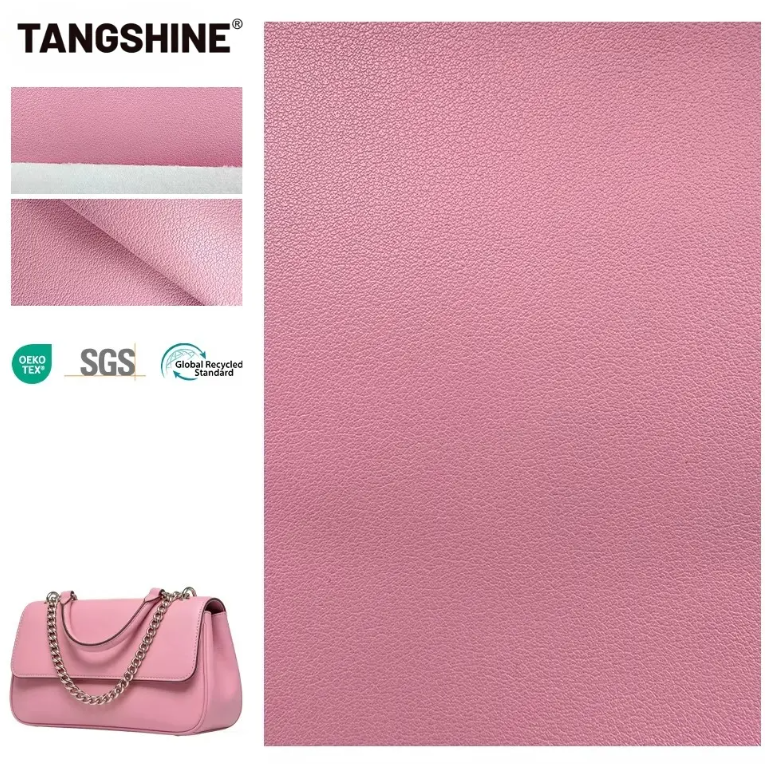
Limitation on post‑sale tailoring places higher responsibility on material developers and apparel brands to deliver well‑fitting garments from the start. Tangshine develops multiple series of garment‑focused PU faux leather, covering two‑way stretch and four‑way stretch variants with different knitted backing options. Material properties including stretch recovery and coating flexibility can be adjusted for specific apparel collections. Supported by complete internal testing workflows, the material portfolio helps fashion brands produce original PU garments with comfortable natural fit. Well‑tuned base material performance reduces end‑user reliance on difficult post‑purchase alteration work.
Table of Contents
- Real‑world alteration experience with PU apparel
- Material characteristics that shape tailoring limits for PU clothing
- Special technical requirements for professional PU garment modification
- Industry expert advice on working with PU synthetic apparel
- Practical guidance for buyers and end‑users of PU clothing
- Material manufacturing perspective for better fit outcomes
