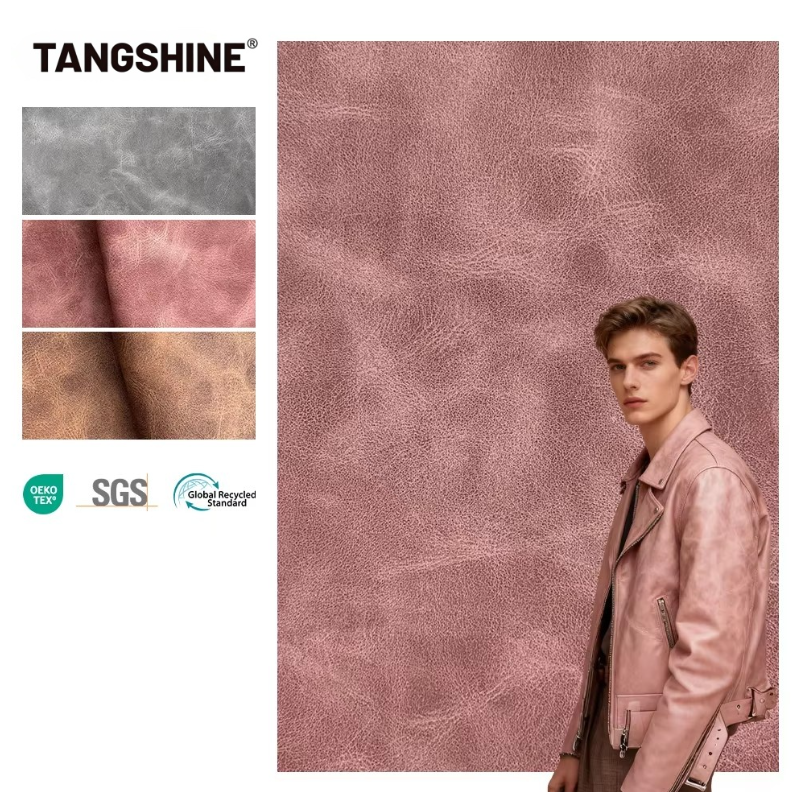
Functions of protective coating on synthetic coated leather
Coated synthetic leather relies on a thin continuous resin protective layer to deliver its expected performance. This outer film blocks dirt penetration, reduces surface abrasion, and slows color fading triggered by ultraviolet radiation. Most PU or PVC coated leather goods for bags, garments and furniture gain most of their stain resistance directly from this top‑side coating. The protective film is relatively thin. Harsh chemical agents or rough physical scrubbing can wear or dissolve this layer. Once stripped away, base substrate becomes exposed, bringing irreversible problems such as discoloration, sticky surfaces and accelerated aging. Even visually tough‑looking leather surfaces cannot stand arbitrary cleaning methods, regardless of product market positioning.
Real‑world damage observations from apparel accessory after‑sales cases
One fashion goods brand handled batches of returned coated‑leather handbag goods. A large share of returned units displayed whitened patches and partial surface peeling. Feedback collection showed many end‑users grabbed common household alcohol‑infused disinfectant wipes to wipe off surface dirt. Field inspection on returned samples found coating damage concentrated exactly on areas wiped repeatedly with these wipes. Substrate material underneath stayed intact, confirming the protective resin layer got chemically degraded. This real‑world after‑sales case proves convenient household cleaning supplies may create unseen permanent damage, even when surface dirt gets removed successfully.
Industry‑recognized standards for coated leather cleaning principles
Practical synthetic‑leather maintenance guidance from textile industry bodies marks clear boundaries for cleaning agent selection. Different chemical compositions create totally different outcomes for resin‑coated surfaces. A neutral pH water‑based leather cleaner has minimal negative impact and is the right choice for routine surface stain removal. A pure soft microfiber damp cloth is safe when used with limited moisture, which makes it suitable for daily light dust wiping. Alcohol or solvent‑containing wipes carry a high risk of coating dissolution and are not recommended for coated leather. Abrasive powdered cleansers scratch and wear the top resin film, so they should be strictly avoided in all applications. Alcohol, acetone and strong alkaline ingredients break polymer bonds inside the resin coating. Even short‑time contact accumulates hidden harm. No visible change immediately after wiping does not mean the protective layer remains undamaged.
Step‑by‑step reasonable cleaning workflow to preserve intact coating
Complete cleaning routines focus on limiting chemical exposure and mechanical stress on resin film. Before any full‑surface work, run spot testing on a concealed corner of the leather item, watch for discoloration or surface change. Remove loose dust with dry microfiber cloth first to keep hard dust particles from scratching coating during wiping. For light stains, use slightly damp soft cloth with tiny amount of neutral leather‑safe cleaner. Wipe gently following material grain direction. Quickly absorb residual moisture with separate dry cloth. Leave the article inside well‑ventilated space for natural air drying. Never apply hot air blowers or place items under direct sunlight for drying. Excess heat speeds up coating brittleness and aging.
Common misoperations that silently destroy leather protective finish
Many destructive cleaning behaviors happen without users realizing long‑term consequences. Several frequent missteps deserve attention.
- Repeated wiping with alcohol‑containing household wipes brings progressive resin degradation, even if damage does not show up right away.
- Scrubbing with rough towels or abrasive sponges creates micro scratches that slowly wear down protective film.
- Using hot air blowers or direct solar exposure for drying makes coating polymer structure turn brittle.
- Full immersion soaking lets water seep through tiny invisible gaps and weakens bonding between coating and base substrate.
Good maintenance is not only about removing dirt, but also about avoiding actions that gradually consume away the thin protective finish.
Material manufacturing perspective on coating durability performance
Durable coated leather starts at material formulation stage. Tangshine develops multiple resin coating formulas adapted for bags, garments and upholstery furniture, complying with REACH and other international material standards. Adjustments to coating thickness and surface treatment improve scratch and stain resistance for end products. Even well‑optimized factory formulations cannot resist misuse of strong household cleaning agents. Proper user‑side cleaning habits remain essential to retain original surface performance through whole product service cycles. The manufacturer delivers technical material specifications to support brand partners to add accurate care instructions for finished coated‑leather goods.
Table of Contents
- Functions of protective coating on synthetic coated leather
- Real‑world damage observations from apparel accessory after‑sales cases
- Industry‑recognized standards for coated leather cleaning principles
- Step‑by‑step reasonable cleaning workflow to preserve intact coating
- Common misoperations that silently destroy leather protective finish
- Material manufacturing perspective on coating durability performance
