What Polyurethane Leather Actually Is
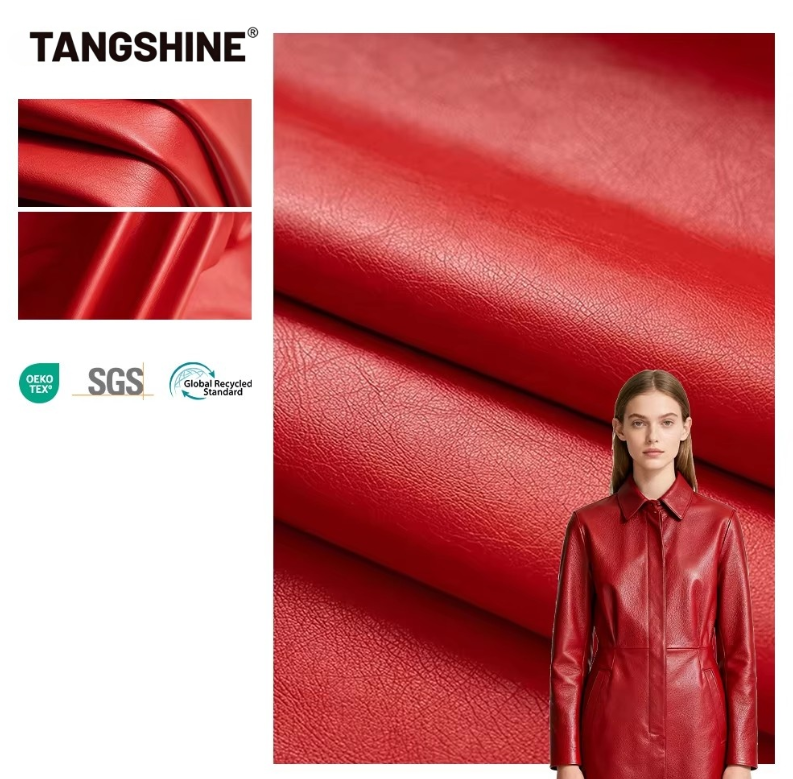
Polyurethane leather, often shortened to PU leather, is a synthetic material made by coating a fabric backing with a polymer layer. The backing is usually knit polyester or cotton, and the coating is polyurethane, a versatile polymer that can be formulated to feel soft, stiff, matte, glossy, or anything in between. The result is a material that looks and behaves somewhat like leather but does not come from an animal hide. It can be embossed with grain patterns, printed with colors, and finished with surface treatments that mimic everything from smooth calfskin to textured exotic leathers. This flexibility is the main reason PU leather has become so common in fashion, footwear, bags, and accessories.
How It Differs From Real Leather and PVC
The comparison with real leather is inevitable, and the honest answer is that they are different materials with different strengths. Real leather is a natural fiber structure that develops a patina over time and can last decades with proper care. PU leather is a manufactured product with consistent properties from roll to roll, which is a real advantage for large scale production. It is also lighter, more water resistant in many formulations, and significantly cheaper. Compared with PVC leather, PU is generally softer, more breathable, and less prone to cracking in cold weather. The table below compares the three materials.
| Property | PU Leather | Real Leather | PVC Leather |
|---|---|---|---|
| Breathability | Moderate | High | Low |
| Weight | Light | Moderate to heavy | Moderate |
| Water resistance | Good | Variable | Excellent |
| Cold weather flexibility | Good | Good | Poor |
| Consistency across batch | Excellent | Variable | Excellent |
| Relative cost | Low to medium | High | Low |
The pattern is that PU sits in a practical middle ground for many fashion applications.
Why Modern Fashion Embraces PU Leather
Fashion moves fast, and PU leather fits the way the industry works. It can be produced in any color, embossed with any grain, and finished to match a specific design vision without the constraints that come with natural hides. A brand can order the same material six months later and get a near identical match, which is almost impossible with real leather. PU also supports vegan positioning, which matters to a growing segment of consumers. Designers appreciate the predictability. Production managers appreciate the cost stability. Marketing teams appreciate the ethical and environmental story that can be told. That alignment across departments is why PU leather has moved from a budget substitute to a legitimate design choice in its own right.
Technical Advances That Changed the Material
Early PU leather had a reputation for peeling and cracking, and that reputation was deserved in many cases. The material has improved considerably. Modern formulations use better adhesives between the coating and the backing, which reduces delamination. Surface treatments have become more durable, and some PU leathers now include antimicrobial or water repellent finishes. Microfiber backed PU has a hand feel that is much closer to real leather than the older knit backed versions. A product developer working on a footwear line once described how switching to a microfiber backed PU eliminated a customer complaint that had persisted for years. The upgrade cost more per meter but reduced returns enough to pay for itself.
Environmental and Ethical Considerations
The environmental story around PU leather is more complicated than the marketing often suggests. On the positive side, it avoids the animal welfare concerns associated with leather production and does not require the land and water resources that livestock farming does. On the other hand, polyurethane is a petroleum based polymer, and it does not biodegrade easily. Production involves solvents and energy, and disposal at end of life is a real challenge. Some manufacturers are moving toward water based polyurethane and bio based polyols, which reduce the environmental footprint. The honest position is that PU leather is not automatically greener than real leather. It depends on how it is made, how long it lasts, and what happens to it at the end of its life. Brands that want to make credible claims need to look at the full lifecycle.
Where PU Leather Performs Best and Where It Struggles
PU leather is a strong choice for fashion items that are worn regularly and replaced within a few seasons. Jackets, bags, belts, shoes, and accessories all suit the material well. It performs less well in applications that demand extreme durability over many years, such as heavy duty workwear or long term furniture upholstery. It can also struggle in very hot environments, where some formulations become sticky, or in very cold conditions, where lower grade products may stiffen. Understanding these limits helps designers and buyers choose the right material for the right application rather than assuming PU is a universal replacement for leather.
How Manufacturing Quality Determines Performance
The difference between a PU leather that peels in six months and one that lasts for years comes down to manufacturing quality. The adhesion between coating and backing, the thickness and formulation of the top layer, and the consistency of the embossing all affect how the material performs. Tangshine has been producing PU leather materials for the fashion and accessories markets, with a focus on formulations that meet international standards including Oeko-Tex 100 and REACH compliance. The production process controls coating weight and adhesion, which directly affect how the material holds up in real use. For brands that need PU leather that delivers on its promise, that attention to manufacturing detail at the source is what makes the difference.
Table of Contents
- What Polyurethane Leather Actually Is
- How It Differs From Real Leather and PVC
- Why Modern Fashion Embraces PU Leather
- Technical Advances That Changed the Material
- Environmental and Ethical Considerations
- Where PU Leather Performs Best and Where It Struggles
- How Manufacturing Quality Determines Performance
