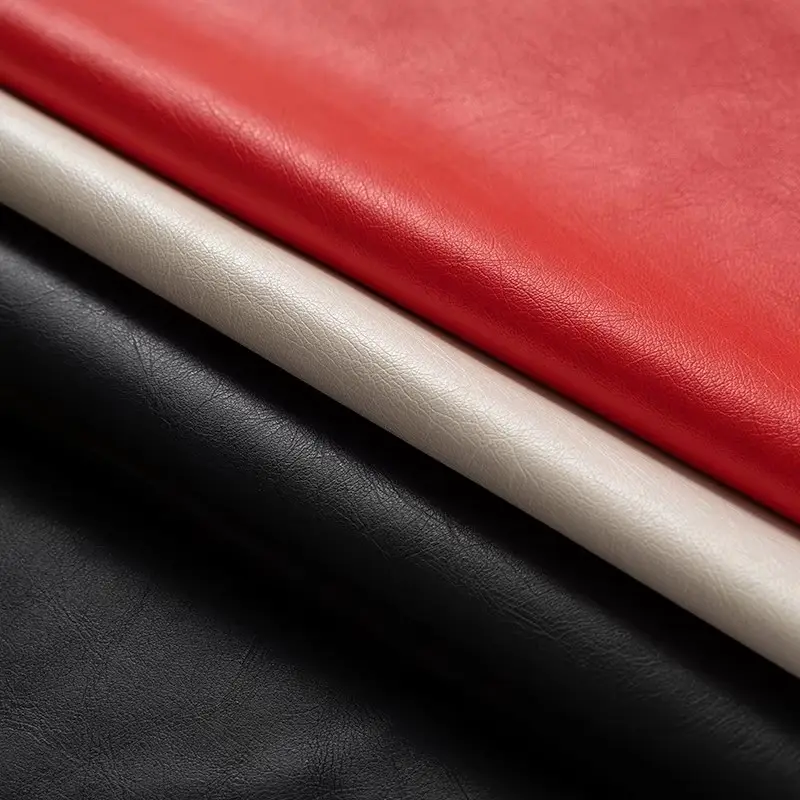
We all know the drill by now. The fashion and furniture industries have a bit of a waste problem. Tons of material gets thrown out every year, and the old take make dispose model just isn’t cutting it anymore. That’s where the idea of a circular economy comes in. It’s about keeping materials in use for as long as possible, getting the most value out of them, then recovering and regenerating them at the end of their life.
This isn’t just a nice idea anymore. It’s becoming the way smart businesses operate. And one material that really nails this concept is recycled leather. It takes something that might have ended up in a landfill and turns it into something beautiful, durable, and useful. Let’s look at how this process works and why it matters so much right now.
What exactly is recycled leather?
So, what are we talking about here? Recycled leather isn’t the same as the synthetic leather you might be used to. It’s actually made by taking leather scraps and fibers from the production process of genuine leather goods. When a leather product is cut and shaped, there are always leftover pieces. Instead of throwing those scraps away, they are collected, ground down into a fine fiber, and then mixed with a binding agent, usually a latex or polyurethane.
This mixture is then formed into sheets or rolls, creating a new, uniform material. The result looks and feels like traditional leather, but it’s made from what was once considered waste. It’s a brilliant way to give those leftover materials a second life. The base can also be backed with recycled polyester, adding another layer of sustainability to the product.
Keeping valuable resources in play
The core idea of a circular economy is to stop treating materials as disposable. When we make traditional leather, it requires significant resources. Raising livestock takes land, water, and feed. The tanning process uses chemicals and energy. If we then discard the scraps from making that leather, we’re essentially wasting all the resources that went into creating it.
Recycled leather solves that problem head on. By capturing those offcuts and transforming them into new sheets, we keep that embedded energy and material value in the system. It’s not a downcycled product that falls apart after one use. Done right, it’s a durable, high quality material that can be used for sofas, bags, car interiors, and more. It extends the life of the original raw materials significantly.
Reducing the strain on landfills
The sheer volume of waste from textile and leather production is staggering. Scraps from cutting tables, trimmings from manufacturing, and end of life products all pile up. Much of this waste doesn’t break down easily in landfills. By turning those scraps into something new, we’re actively diverting waste from these sites.
Think about a furniture manufacturer cutting leather for a large order of sofas. The cutting process always leaves irregular scraps that can’t be used for another full sized piece. In a linear economy, those scraps are trash. In a circular model, they become the raw material for the next batch of recycled leather. It’s a closed loop approach that reduces the need for new raw materials and cuts down on waste at the same time.
Lower environmental footprint
Beyond waste reduction, the production of recycled leather often has a lighter touch on the environment compared to manufacturing virgin materials. Creating new synthetic leather or processing raw animal hides requires a lot of water, energy, and chemical treatments.
With recycled leather, the most resource intensive part of the process is already done. We’re working with material that already exists. Many manufacturers are also taking this a step further by using water based binders and ensuring their processes are free from harmful chemicals like DMFa. This commitment to cleaner production aligns perfectly with the principles of a circular economy, where we aim to minimize harm at every stage of a product’s life.
Design and durability go hand in hand
One of the biggest questions people have about sustainable materials is whether they can hold up to daily life. Nobody wants a sofa that looks great for a year and then starts peeling or cracking. The good news is that recycled leather, when made well, is incredibly durable.
Because it’s an engineered material, it can be designed for specific uses. Need a soft, flexible version for garment applications? That can be done. Need a tough, abrasion resistant version for a busy family sofa? That’s possible too. It offers consistent color, texture, and performance. It’s stain resistant and easy to clean, which means products made from it are likely to stay in use longer, which is another key aspect of circularity.
A material that fits modern consumer values
People are paying more attention to what they buy. They want to know where materials come from and what kind of impact their purchase has. Recycled leather tells a great story. It’s a material that combines style with responsibility.
For brands and manufacturers, offering products made with recycled content is a way to meet this growing demand. It shows a commitment to moving beyond the old wasteful model. And because the material can be customized in terms of color, texture, and finish, it doesn’t force a compromise on design. You can have a piece that looks modern and luxurious while knowing it was made with a much smaller environmental footprint.
The role of manufacturing innovation
None of this happens without smart manufacturing. Creating high quality recycled leather requires precision. It’s not just about grinding up scraps and pressing them together. The process involves carefully controlling the fiber mix, the binding agents, and the finishing to ensure a consistent, high performing product.
Advanced manufacturing facilities are key here. They use precision machinery to ensure every roll meets the same high standards for durability and finish. This level of control is what allows recycled leather to be a true alternative to virgin materials, not a lesser substitute. It’s about using technology to create a product that performs at the highest level while embodying circular principles.
Looking ahead
The shift toward a circular economy is gaining real momentum. We’re seeing it in regulations, in consumer behavior, and in the strategies of forward thinking companies. Recycled leather is a perfect example of this shift in action. It takes a waste stream from traditional manufacturing and turns it into a valuable, desirable resource.
It reduces reliance on virgin raw materials, cuts down on landfill waste, and offers a durable, beautiful option for everything from sofas to accessories. As more industries look for ways to close the loop, materials like this are going to become the standard, not the exception. It’s a smart way to make products that are good for business and better for the planet.
