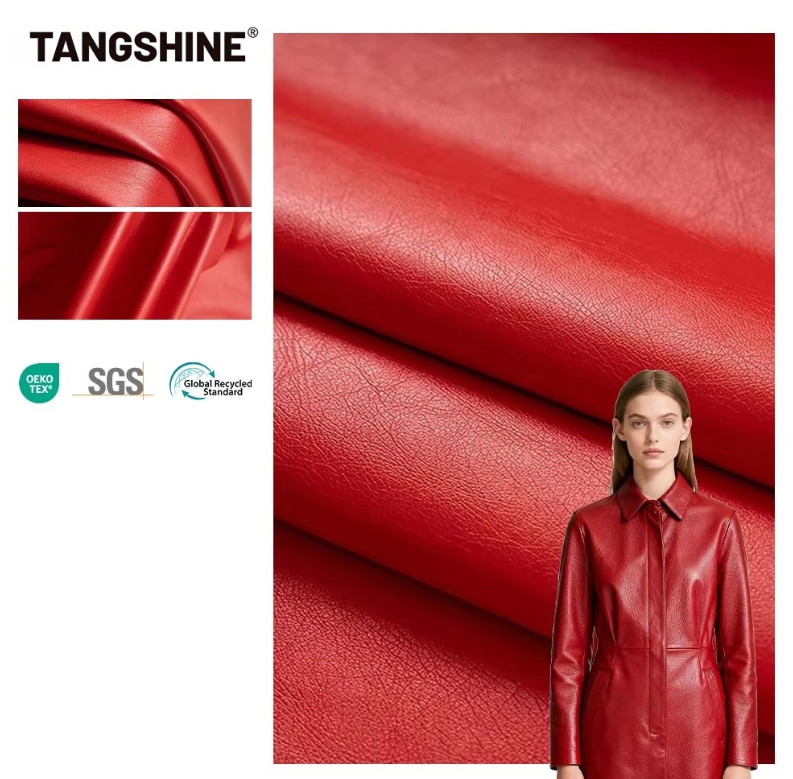
You see it everywhere. Handbags, shoes, sofas, car seats, office chairs. A huge chunk of the leather looking products out there are actually made from polyurethane leather. So what is polyurethane leather exactly, and how did it become so popular with wholesale buyers? Let me explain in simple terms.
The Basics of Polyurethane Leather
Polyurethane leather, often called PU leather for short, is a synthetic material made to look and feel like real leather. It is not animal hide. Instead, manufacturers start with a fabric base, usually polyester or cotton. Then they coat that base with a layer of polyurethane, which is a type of plastic polymer. That coating gives the material its smooth, leather like finish. The fabric underneath provides strength and keeps everything together.
The production process is pretty interesting. Workers pour a polymer solution onto a paper base and heat it up. Then they add another layer, glue a fabric backing onto the mix, and finally apply a resin that gets pressed to create that classic leather texture. What comes out is a material that mimics genuine leather quite well without using any animal products. That alone makes it a big deal for many brands and customers today.
Why Wholesale Buyers Keep Coming Back
There is a reason PU leather dominates wholesale markets. It hits a sweet spot that few other materials can match.
First, the price. Genuine leather is seriously expensive. Tanning and preparing animal hides takes time, skilled labor, and a lot of resources. PU leather usually costs 50 to 70 percent less than real leather. For any business that buys materials in bulk, that kind of saving adds up incredibly fast. You can order ten times the quantity for the same budget.
Second, the supply is consistent. Real leather comes from animals, and every hide is different. You get natural marks, scars, and grain variations. Some people love that uniqueness, but for mass production, it is a nightmare. PU leather is manufactured in a controlled process. Every roll has the same color, the same texture, the same thickness. That makes production planning smooth and predictable.
Third, maintenance is a breeze. Real leather needs special cleaners and conditioners. If you do not treat it regularly, it dries out and cracks. Spills can soak in and leave permanent stains. PU leather is naturally water resistant. Spill your coffee? Just wipe it off. No special treatment needed. For busy homes, restaurants, and offices, that is a huge plus.
Where You Find PU Leather in Everyday Life
In furniture, PU leather is everywhere. Sofas, ottomans, dining chairs, headboards, office chairs. It holds up well to daily use and cleans up easily. In the automotive industry, you will find it on car seats, dashboards, steering wheels, and door panels. Carmakers love it because it looks good, lasts long enough, and costs a fraction of genuine leather.
Fashion is another huge market. Handbags, wallets, belts, shoes, jackets. Designers can get PU leather in almost any color or finish they want. And because it is synthetic, it works perfectly for brands that want to offer cruelty free products. You get the look without the ethical concerns.
The Trade Offs That Make Sense for Most Buyers
Let me be honest. PU leather is not perfect. It does not last as long as high quality genuine leather. A well made real leather product can easily last ten years or more with proper care. PU leather typically lasts two to five years under normal use. Over time, especially with heavy use, the coating can crack or peel. It is also less breathable than real leather, so it can feel a bit hot against your skin in warm weather.
But here is the thing. Not every product needs to last a decade. A hotel or restaurant might replace their furniture every five years anyway. Paying a third of the price for a sofa that looks great for five years makes perfect business sense. Fast fashion brands do not need handbags that last forever. They need affordable products that stay stylish for a few seasons. For these buyers, the trade offs are completely acceptable. You save money, you get consistency, and you avoid the hassle of high maintenance.
Where Is PU Leather Headed?
The industry is not standing still. Manufacturers are constantly working to make PU leather better and more sustainable. Traditional PU production uses petroleum based chemicals, which is not great for the environment. But that is changing fast.
Water based polyurethanes are becoming much more common. These reduce the use of harmful solvents like DMF. Some companies are developing bio based PU leather using castor oil and other renewable resources. There are also recycling programs that turn old PU products into new materials.
Take TANGSHINE as an example. They use integrated manufacturing, which means they control the entire process from raw materials to finished product. This approach ensures consistent quality across every roll. It also allows them to meet environmental standards like ZERO DMFA, Recycled, and PFAS Free. For buyers who care about sustainability, that kind of transparency and control really matters.
The Bottom Line
So what is polyurethane leather? It is a practical, affordable, and versatile alternative to genuine leather. It is not trying to be better than real leather in every way. It is offering something different. Lower cost, consistent supply, easy cleaning, and a cruelty free profile. For wholesale buyers in furniture, automotive, fashion, and accessories, those benefits are hard to ignore. The market keeps growing for a reason. PU leather simply works.
