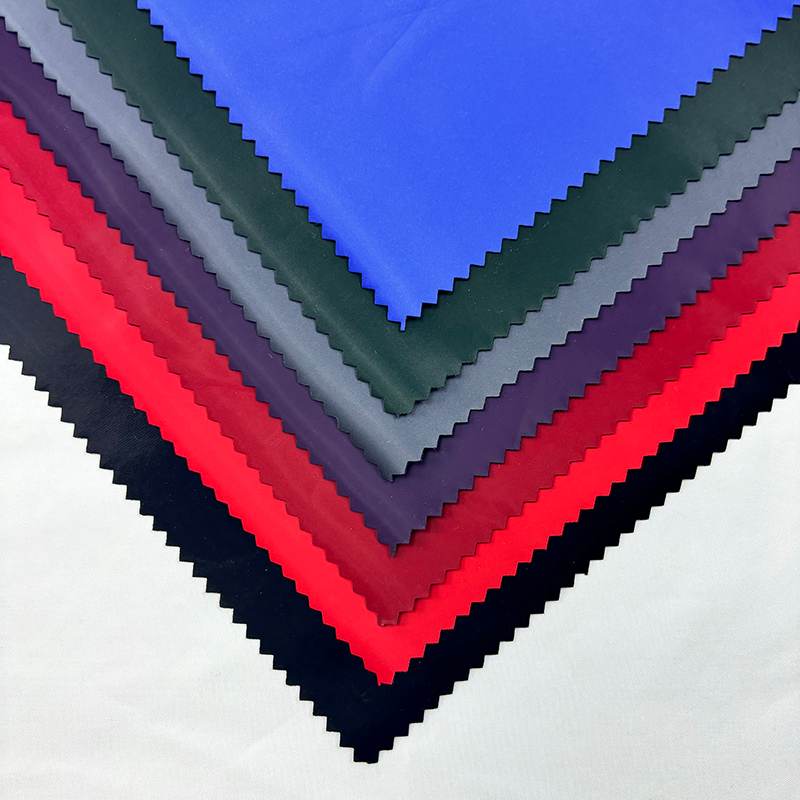
Vegan leather is no longer just a fashion keyword. For B2B buyers, it has become a material category shaped by sustainability expectations, product innovation, and supply chain scrutiny. Brands, sourcing teams, and manufacturers are now evaluating vegan leather not only for its animal-free positioning, but also for how it performs in large-scale production, how credible its sustainability claims are, and how well it fits different product applications.
In today’s market, the conversation around vegan leather is moving beyond surface-level marketing. Buyers increasingly want to know how the material is made, what kind of chemistry is involved, whether recycled or lower-impact inputs are used, and whether the supplier can support custom development from sampling to bulk delivery.
Vegan Leather Is Becoming a More Technical Sourcing Category
One of the biggest vegan leather trends is the shift from simple “alternative leather” positioning to a more technical and procurement-driven evaluation model. Instead of asking only whether a material is vegan, B2B buyers are now asking whether it is commercially viable, scalable, application-appropriate, and aligned with current sustainability expectations.
This means vegan leather is increasingly being assessed through a broader sourcing lens:
- Is the material suitable for garments, bags, upholstery, or accessories?
- Can the supplier support texture, backing, color, and finish customization?
- Are sustainability claims supported by clearer material information?
- Does the material fit current market expectations around chemical management and traceability?
For manufacturers and brands, this shift is reshaping how vegan leather is developed, marketed, and purchased.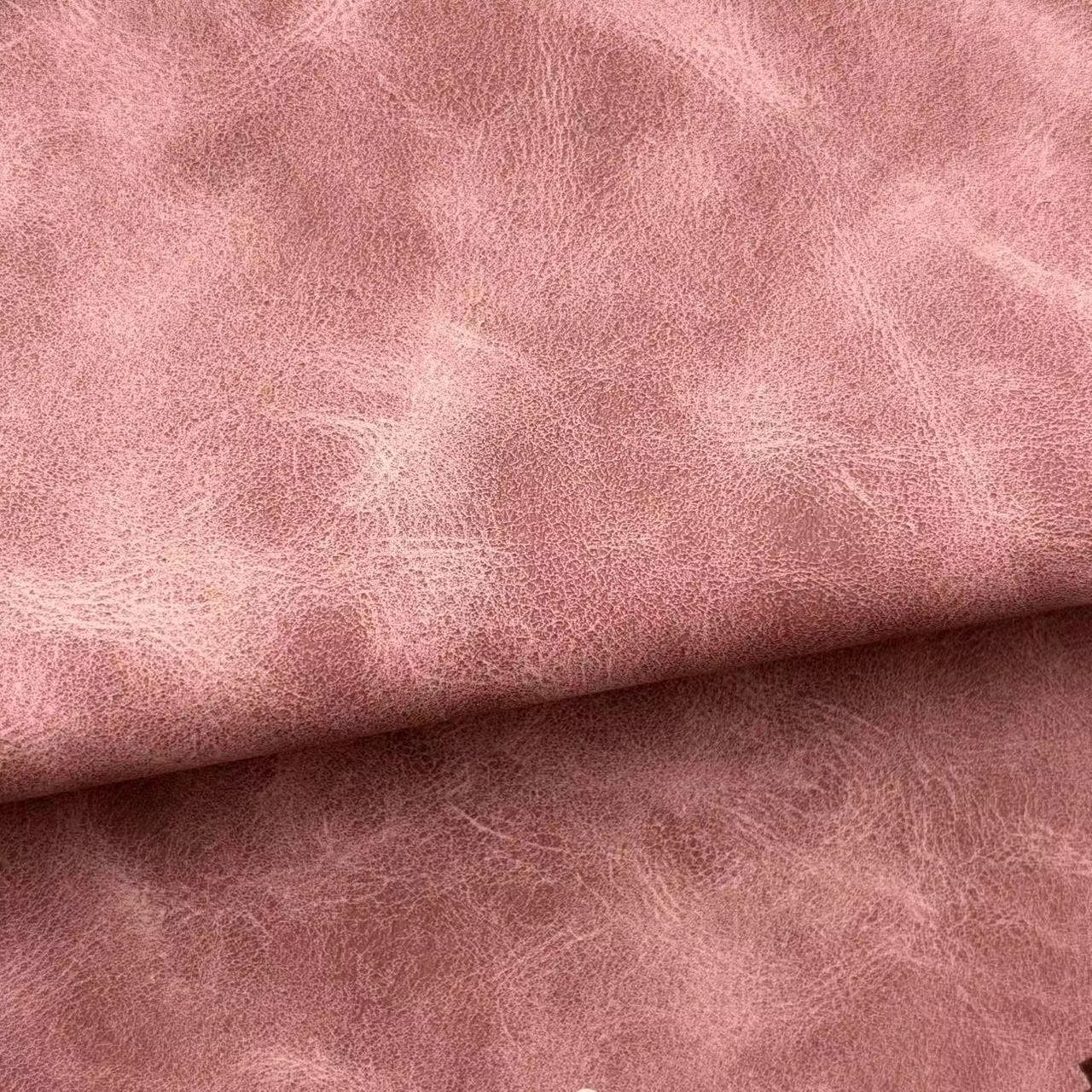
Trend 1: Sustainable Manufacturing Matters More Than Generic Claims
One of the clearest trends in vegan leather is that buyers are paying closer attention to manufacturing practices, not just end-product wording. A vegan material is no longer automatically assumed to be a better choice unless the supplier can also show progress in chemical management, responsible production, and application-appropriate development.
In practice, sustainable manufacturing in vegan leather now involves more detailed buyer questions around raw materials, formulation choices, production consistency, and whether environmental positioning can be explained in a credible way. This is especially relevant for brands that want materials aligned with current global sourcing expectations rather than broad sustainability language.
At Tangshine, the website already reflects this direction by highlighting eco-oriented material development such as ZERO DMFA, recycled, and PFAS FREE options for selected projects. Combined with custom formulation and texture development, this creates a stronger foundation for B2B buyers seeking vegan leather that supports both design flexibility and more responsible manufacturing direction.
Trend 2: Chemical Management and PFAS-Free Direction Are Becoming Stronger Buyer Signals
Another important vegan leather trend is the growing role of chemical management in purchasing decisions. Across global supply chains, buyers are paying more attention to what is intentionally added to materials, how restricted substances are handled, and whether the supplier can support evolving compliance requirements.
PFAS-free direction, in particular, is becoming more visible in sourcing discussions as regulations, retailer expectations, and certification systems place greater emphasis on chemical transparency. For vegan leather suppliers, this means material innovation is no longer only about texture and appearance. It is also about how the material fits a more compliance-aware market.
For B2B customers, this changes the way vegan leather is evaluated. A material may look commercially attractive, but the real sourcing question is whether it can align with market-specific chemical requirements and long-term brand standards.
Trend 3: Recycled and Bio-Based Innovation Continue to Shape Product Development
Material innovation remains a major driver in the vegan leather category. Buyers are watching developments in recycled content, bio-based inputs, and next-generation alternatives because these approaches reflect where the market is trying to move: away from simple substitution and toward better material systems.
At the same time, B2B procurement teams are becoming more practical in how they evaluate these innovations. Instead of treating every new material as automatically ready for scale, buyers are asking whether the innovation can support real production needs, consistent quality, repeat supply, and application performance.
This is why the strongest vegan leather suppliers are not only talking about innovation in concept form. They are building innovation into development capability — through formulation work, texture design, backing selection, sampling, and production follow-up.
Trend 4: Traceability and Claim Credibility Are More Important Than Before
Another major trend is the growing importance of traceability and credible claims. In global sourcing, buyers increasingly expect better clarity around what a material claim actually means. Terms such as recycled, PFAS free, or sustainable are under greater review, and procurement teams are more likely to ask how those claims are defined, managed, and communicated through the supply chain.
This is part of a wider industry direction toward more verifiable sourcing systems, material standards, and chain-of-custody thinking. For vegan leather suppliers, it means product communication needs to be more disciplined. Clearer claim structure and better technical communication can now be a competitive advantage, especially when serving international brands and professional sourcing teams.
Trend 5: Vegan Leather Buyers Still Need Design Freedom
Even as sustainability expectations rise, design remains central to the vegan leather business. Buyers still need materials that can match fashion trends, seasonal collections, and product category requirements. This is why texture development, backing construction, color direction, surface finishing, and print capability remain highly relevant in the vegan leather market.
In many cases, the most commercially successful vegan leather materials are those that combine sustainability direction with strong visual expression and application flexibility. A material that supports trend-led embossing, printed surfaces, stretch construction, or specialized backing can give brands a better balance between market storytelling and product usability.
Tangshine’s public site emphasizes custom formulations and textures, printed leather solutions, and project-based development from sampling to volume production. This kind of capability is important because B2B buyers do not only need vegan leather in theory — they need vegan leather that can be developed into real products with repeatable results.
What These Vegan Leather Trends Mean for B2B Buyers
For B2B sourcing teams, the biggest takeaway is that vegan leather is becoming a more nuanced purchasing category. The right question is no longer simply, “Do you offer vegan leather?” A more useful question is, “Can you support the right vegan leather solution for our product, market, compliance needs, and design direction?”
In practical sourcing terms, buyers should review:
- material composition direction
- chemical management awareness
- recycled or innovation potential
- texture and backing customization ability
- sample development process
- production capacity and consistency
- communication clarity around sustainability claims
This helps move material selection from a trend-driven conversation to a sourcing decision with stronger commercial logic.
Tangshine’s Direction in the Vegan Leather Market
Tangshine’s material development approach aligns well with several of the current vegan leather trends shaping the B2B market. The company highlights advanced PU and PVC leather, custom formulations and textures, printed surface development, and eco-oriented options such as ZERO DMFA, recycled, and PFAS FREE materials for selected projects.
Combined with a 60,000-square-meter factory, 500 workers, and annual output of 500 million to 600 million meters as stated on the website, Tangshine is positioned not only as a material supplier, but as a development-oriented manufacturing partner for brands looking to balance design, production, and sustainability direction.
If you are developing fashion-oriented vegan leather programs, you can explore Tangshine’s vegan leather material solutions for jackets to review custom faux leather development, backing options, texture direction, and OEM support.
Final Thoughts
The vegan leather market is evolving from a simple alternative-material narrative into a more sophisticated sourcing category shaped by sustainable manufacturing, chemical management, material innovation, and claim credibility. For buyers, the opportunity is no longer just to source vegan leather, but to source it more intelligently.
The suppliers that stand out in this next stage will be those that combine innovation with execution: materials that can be customized, sustainability directions that can be explained clearly, and manufacturing systems that can support real-world production.
Looking for vegan leather development support for garments, jackets, bags, or custom collections? Contact Tangshine to discuss your material goals, sustainability direction, and OEM development needs.
Table of Contents
- Vegan Leather Is Becoming a More Technical Sourcing Category
- Trend 1: Sustainable Manufacturing Matters More Than Generic Claims
- Trend 2: Chemical Management and PFAS-Free Direction Are Becoming Stronger Buyer Signals
- Trend 3: Recycled and Bio-Based Innovation Continue to Shape Product Development
- Trend 4: Traceability and Claim Credibility Are More Important Than Before
- Trend 5: Vegan Leather Buyers Still Need Design Freedom
- What These Vegan Leather Trends Mean for B2B Buyers
- Tangshine’s Direction in the Vegan Leather Market
- Final Thoughts
