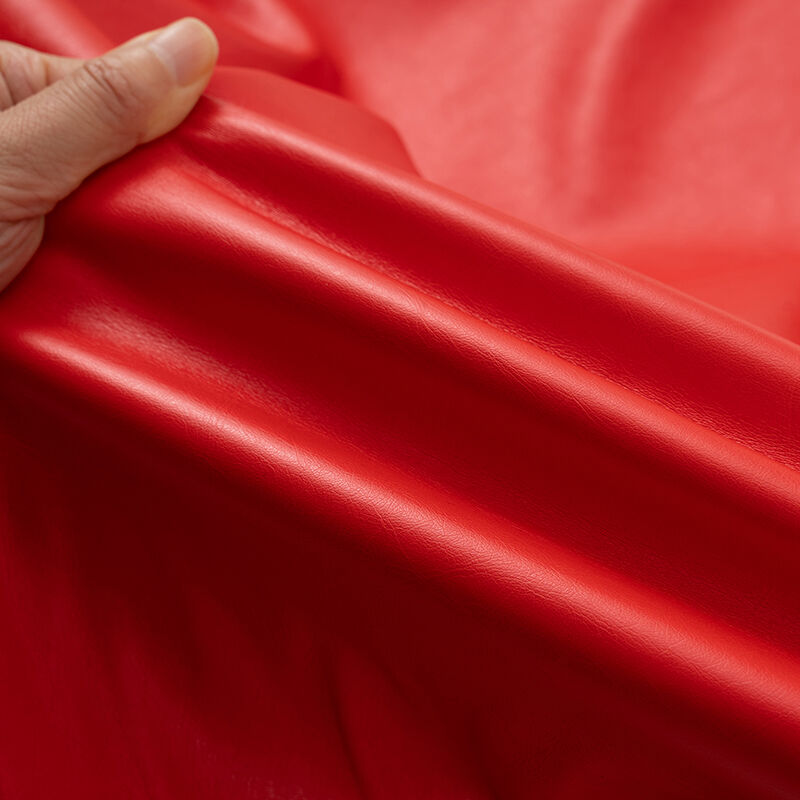
For B2B buyers in apparel, bags, upholstery, and accessories, one of the most common sourcing questions is whether PU leather or PVC leather is the better choice for a specific product line. The answer depends on the target market, hand feel, design direction, cost structure, and end-use expectations.
This guide compares PU and PVC leather from a procurement and quality perspective, helping brands, manufacturers, and sourcing teams make better material decisions for commercial projects.
What Is the Difference Between PU Leather and PVC Leather?
PU leather and PVC leather are both synthetic leather materials, but they differ in structure, appearance, flexibility, and application focus.
PU leather is often selected when buyers want a softer touch, more fashion-oriented appearance, and broader design flexibility. It is commonly used in garments, jackets, bags, and selected accessories where drape, texture expression, and comfort matter.
PVC leather is often chosen for applications that require a firmer structure, stronger surface presence, or more cost-focused sourcing logic. It is commonly seen in bags, upholstery, seating, and other projects where the material needs to hold its shape more visibly.
From a procurement perspective, the comparison is not simply about which material is better. It is about which material is better suited to the intended product, production process, and customer positioning.
PU Leather: Strengths for Fashion and Apparel Buyers
PU leather is widely used in fashion-led product development because it can support a wide range of textures, colors, backing constructions, and surface finishes. For buyers working on jackets, garments, bags, or private-label collections, PU leather is often preferred when the project requires softer hand feel, more refined visual presentation, or better adaptation to trend-based product design.
In many sourcing projects, PU leather is also selected because it allows greater flexibility in custom development. Depending on the supplier’s capability, buyers may be able to develop custom textures, thickness, color effects, backing structures, stretch performance, and specialized finishes.
If you are sourcing garment-focused materials, you can explore Tangshine’s PU leather supplier solutions for jackets for a broader view of custom faux leather development, backing options, and OEM support.
PVC Leather: Strengths for Structure and Utility Applications
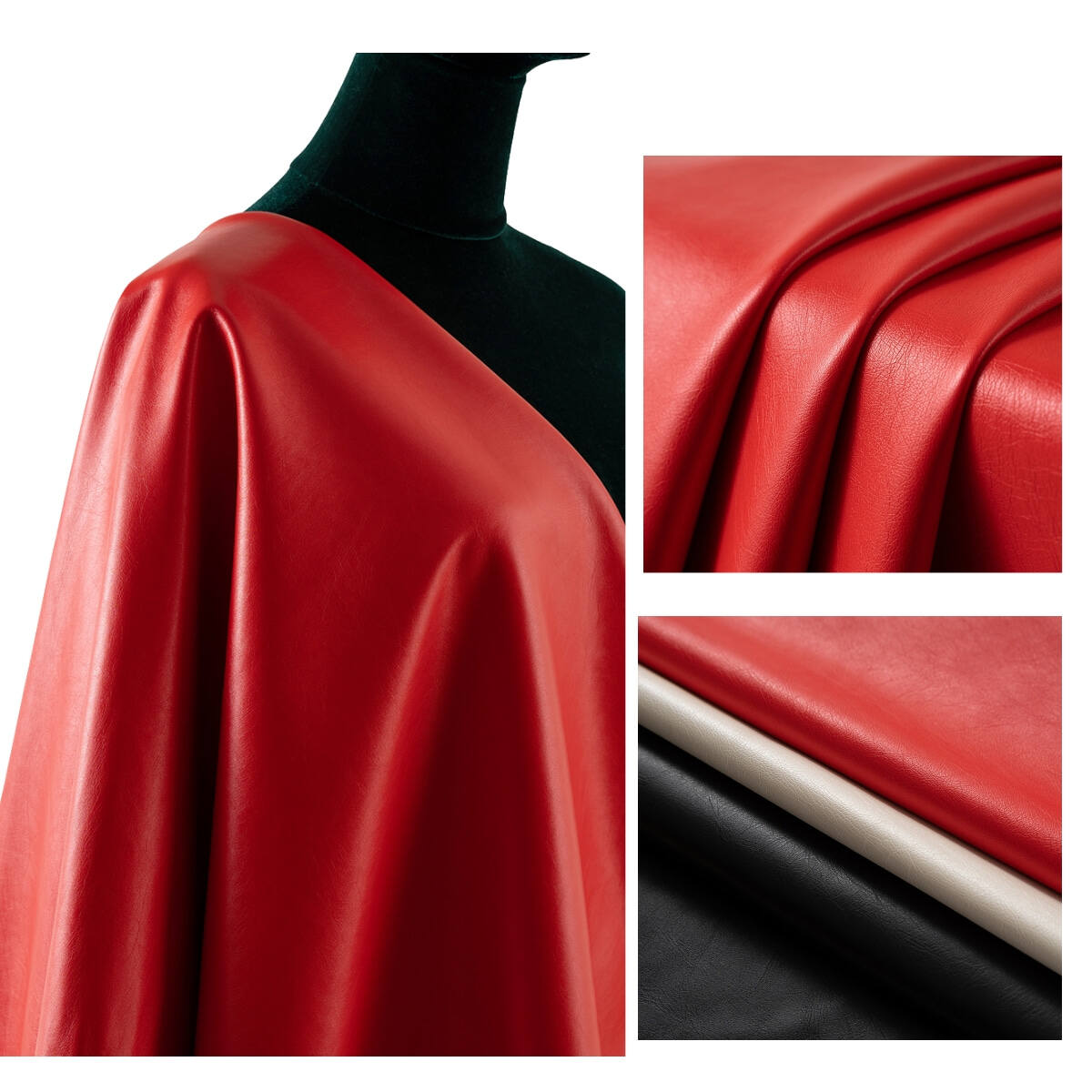
PVC leather is often a practical option when the project needs a firmer material body, stable structure, and more direct application fit for products such as bags, sofas, upholstery panels, and related accessories. Compared with softer apparel-oriented PU leather programs, PVC leather is more commonly evaluated for form retention, surface consistency, and suitability for utility-driven product categories.
For B2B buyers, PVC leather can be a useful choice when product development priorities include straightforward manufacturing, standard visual presentation, and broad commercial use in bag or furniture-related lines. In some projects, PVC leather may also align better with budget-sensitive purchasing strategies, depending on the exact construction and finish required.
PU vs PVC Leather: Key Procurement Comparison Points
1. Hand Feel and Flexibility
PU leather is generally chosen more often for softer, more flexible, and fashion-oriented products. This makes it suitable for garments, jackets, and certain bags where movement, drape, and a more refined touch are part of the product value.
PVC leather is often selected for firmer applications where more material body is desirable. For structured bags, sofa sections, or upholstery uses, this difference can be commercially important.
2. Surface Style and Texture Development
PU leather is often used in projects that demand a wider range of surface expressions, such as embossed textures, stretch constructions, glossy effects, pearlized looks, printed finishes, or customized fashion textures. This gives brand owners and product developers greater room for design-led differentiation.
PVC leather can also support visual consistency and commercial surface styles, especially when the project is focused on stable repeat supply and straightforward application use.
3. End-Use Suitability
PU leather is commonly associated with jackets, garments, fashion bags, and other products where material softness and appearance refinement are key.
PVC leather is more commonly considered for sofas, seating, structured bags, and selected utility-oriented products where stronger shape support and direct practicality matter.
4. Cost and Commercial Sourcing Logic
For procurement teams, cost comparison between PU and PVC leather should never be based on raw material type alone. The final purchasing decision is influenced by thickness, backing, finish, texture, customization level, project volume, and quality expectations.
Instead of asking only whether PU or PVC is cheaper, buyers should compare total sourcing value: material suitability, sample efficiency, production consistency, delivery support, and fit with the final product category.
5. Development and OEM Potential
When the project involves custom product lines, OEM development, or private-label material programs, supplier capability becomes as important as material type. A supplier with stronger development capacity can help buyers optimize thickness, backing, texture, color direction, and application fit for both PU and PVC leather projects.
For B2B customers, this means the real comparison is often not just PU vs PVC, but standard stock material vs development-oriented supply partnership.
How B2B Buyers Should Choose Between PU and PVC Leather
If your project is fashion-led, apparel-oriented, texture-sensitive, or requires softer hand feel, PU leather is often the stronger option.
If your project is more structure-driven, utility-focused, upholstery-based, or requires firmer material presentation, PVC leather may be the better fit.
If your brand manages multiple product lines, the better strategy may not be choosing one material over the other. In many commercial programs, PU and PVC leather are both useful, but for different categories, price levels, and end uses.
The most reliable purchasing approach is to evaluate material choice through actual product application, sample confirmation, and supplier development capability rather than through general assumptions.
Questions Procurement Teams Should Ask Before Ordering
Before placing a bulk order, B2B buyers should confirm:
- What is the final product category: jacket, bag, sofa, upholstery, or accessory?
- Is the material expected to be soft and fashion-oriented, or firm and structural?
- Does the project need stock supply or custom development?
- Will the product require specific backing, texture, finish, or stretch construction?
- Is the supplier able to support sampling, OEM communication, and scale production consistently?
These questions often matter more than generic material labels because they directly affect sourcing efficiency and product performance.
Final Thoughts
PU leather and PVC leather both play important roles in B2B product development. PU leather is often stronger for fashion, jackets, and design-led applications, while PVC leather can be more practical for structured bags, sofas, and upholstery-related projects.
For buyers, the best decision comes from aligning the material with the actual product goal, target market, and supplier capability.
If you are comparing custom faux leather options for garments or jackets, explore Tangshine’s PU leather supplier category page to review development-oriented solutions, backing options, and OEM support for apparel-focused projects.
Need help comparing PU and PVC leather for your next product line? Contact Tangshine to discuss your target application, sourcing priorities, and custom material requirements.
Table of Contents
- What Is the Difference Between PU Leather and PVC Leather?
- PU Leather: Strengths for Fashion and Apparel Buyers
- PVC Leather: Strengths for Structure and Utility Applications
- PU vs PVC Leather: Key Procurement Comparison Points
- How B2B Buyers Should Choose Between PU and PVC Leather
- Questions Procurement Teams Should Ask Before Ordering
- Final Thoughts
