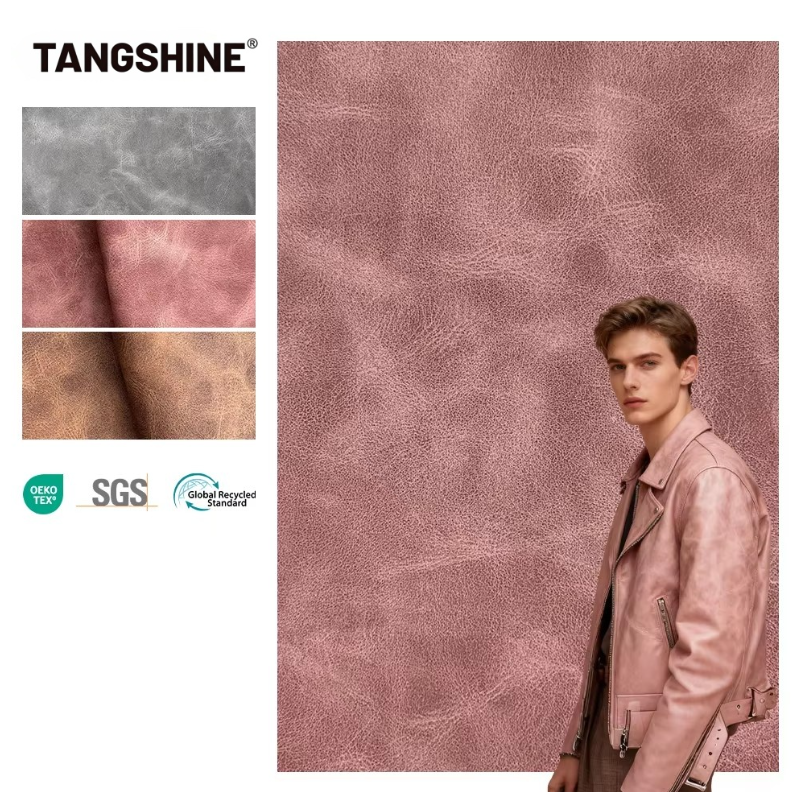
If you have ever wondered why some leather goods last for years while others fall apart in months, the answer is usually the protective coating. A good coating works like an invisible shield. It takes all the daily stress and damage so the leather underneath stays safe. That is why coated leather products tend to be more popular. They simply perform better. For items like bags, sofas, jackets, or car seat covers, the quality of that coating can decide whether customers love the product or return it.
What a Good Protective Coating Does
Raw leather is full of tiny holes. Think of it like a sponge. Those little openings let moisture, oil, and dirt get deep inside. Once that happens, the leather starts breaking down from within, and cleaning becomes a nightmare. A protective coating seals those holes. It keeps spills and stains on the surface where they can be wiped away. This is especially important for furniture. A sofa without proper protection can be ruined by one spilled cup of coffee.
The coating also fights scratches and scuffs. Leather takes a beating in everyday life. Keys scratch against bags. Belt buckles rub against sofa arms. Fingernails dig into armrests. Coated leather resists all of that much better than untreated leather. The coating takes the hit, and the leather fibers stay intact. That means the product stays looking good for a much longer time.
How the Coating Process Works
Applying a protective coating is not a single step. It is a series of layers, and each layer has its own job. The first layer is the base coat. It softens the leather and helps everything stick. The next layer is the color coat. That is what gives the leather its final look. The last layer is the top coat. This is the main shield against scratches, weather, and chemicals.
There are different types of coatings for different needs. Polyurethane coatings are soft and flexible. They work well for jackets and bags that need to move with the body. PVC coatings are tougher and more water resistant. They are better for suitcases and outdoor gear that face rough treatment. A sofa might need a coating that is both durable and comfortable to touch. The choice always depends on what the final product has to go through.
A good example is a large factory that handles everything under one roof. It may cover nearly 60,000 square meters and employ 500 people. With that kind of scale and advanced coating equipment, every roll of leather gets the same consistent coating. That kind of reliability is crucial when you are producing thousands of bags or hundreds of sofas. Imagine making a thousand bags and finding that half of them have different levels of scratch resistance. That would be a disaster. An integrated manufacturer who produces coated leather avoids that problem entirely.
Why Coated Leather Lasts Longer
Untreated leather falls apart over time. It loses its natural oils. Heat dries it out. Humidity causes mold. Sunlight breaks down the fibers. A protective coating blocks all of these problems. It keeps moisture inside the leather so it never gets too dry. It reflects some UV rays before they can do damage. And it stops mold spores from getting into the material.
Cracked leather is usually the end of the road for any leather product. Once cracks appear, they spread, and the item starts falling apart. Coated leather resists cracking much better. It stays flexible and intact for years. For a business that makes leather goods, this means fewer defective products and fewer unhappy customers. A coated leather sofa can easily last eight years. A coated leather bag can survive daily commuting for a decade.
Taking care of coated leather is also very easy. Uncoated leather needs special cleaners and conditioners. You have to treat it regularly or it will dry out and crack. Coated leather does not need any of that. A damp cloth is enough for most cleaning. For tough spots, a little mild soap works fine. That simplicity is a huge benefit for busy households and commercial settings.
Different Coatings for Different Uses
Not all coated leather is the same. The type of coating changes what the leather can do.
PU coated leather is soft and flexible. It breathes well and feels nice against the skin. That makes it a great choice for clothing and accessories like bags. It bends without cracking and holds up well to regular use.
PVC coated leather is tougher and less flexible. It stands up to water and heavy wear better than PU. For luggage, outdoor gear, or furniture that gets a lot of abuse, PVC is often the smarter choice.
Some modern manufacturers are moving toward water based coatings. These are better for the environment. They meet standards like ZERO DMFA, Recycled, and PFAS Free. For brands that care about sustainability, this is becoming a very important factor. These eco friendly coatings perform just as well as traditional ones but leave a smaller footprint on the planet.
Why Coated Leather Is a Smart Business Choice
For companies that make leather products, choosing coated leather just makes sense. The consistency of the material reduces waste during production. Fewer defective pieces mean lower costs. The durability means fewer warranty claims and fewer returns. Customers stay happier when their products last longer.
Coated leather also opens up more design options. The coating can be pigmented in any color. It can take printed patterns and textures.
The coating also hides natural imperfections. Uncoated full grain leather shows every scar and mark from the original hide. Some people love that natural look. But many commercial products need a clean, uniform appearance. Coated leather delivers exactly that.
The market for coated leather keeps growing. More industries are recognizing the value of protection. More designers are specifying coated materials for their projects. It is not hard to see why.
What to Look for in a Coated Leather Supplier
Not every coated leather product is the same quality. The difference usually comes down to the manufacturer. Look for suppliers that own their own production plants. Integrated manufacturers control everything from raw material to finished coating. This eliminates coordination problems and guarantees consistent quality.
Check what standards the supplier meets. Do they have certifications for environmental safety and material performance? Ask about their testing procedures. A good manufacturer tests raw materials and finished products to verify abrasion resistance, colorfastness, and overall durability.
Consider the supplier's production capacity. A factory that produces hundreds of millions of meters per year has the scale to handle large orders while keeping quality consistent. They also have the resources to invest in better equipment and newer technology.
Delivery reliability is another big factor. Some integrated manufacturers offer delivery within seven days and a 24 hour response time. When you are running a production line, waiting weeks for materials is simply not an option. Fast and dependable shipping keeps your business moving.
Coated leather balances style, protection, and value. It is an investment that pays off in customer satisfaction and fewer product returns. For anyone in the business of making leather goods, coated leather is not just an option. It is the right choice.
