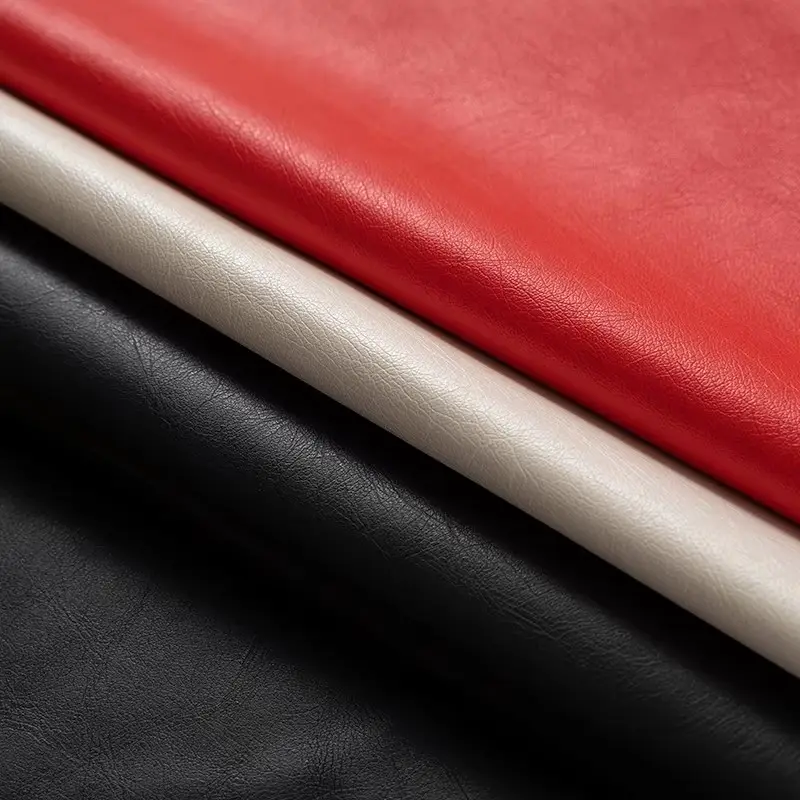
What Recycled Leather Actually Is
Recycled leather is not a single material. It is a family of products made from leather scraps, offcuts, and post industrial waste that would otherwise be discarded. The most common production route grinds leather waste into fine fibers, mixes those fibers with a binder, and then presses or rolls the mixture into sheets. Some versions combine leather fibers with natural rubber or plant based binders to reduce the synthetic content. Others use a fabric backing similar to conventional coated leather. The result is a material that contains a meaningful percentage of reclaimed leather content while still being manufacturable at scale. Understanding this distinction matters, because not all recycled leather is created equal, and the percentage of reclaimed content varies widely between suppliers.
Why Brands Are Paying Attention Now
Sustainability goals have moved from marketing language to board level commitments. Many brands have publicly pledged to reduce virgin material use, cut waste, and lower the carbon footprint of their supply chains. Recycled leather offers a practical way to make progress on several of those goals at once. It diverts leather waste from landfills or incineration, reduces the demand for newly produced raw materials, and can often be sourced at a cost that is competitive with conventional alternatives. Consumer research consistently shows that a significant share of shoppers are willing to pay more for products with credible sustainability claims. That combination of internal targets and external demand is what has pushed recycled leather from a niche option to a mainstream consideration.
The Technical Realities Behind the Material
The performance of recycled leather depends heavily on how it is made. Fiber size, binder type, and pressing pressure all influence the final properties. A well made recycled leather can offer good tensile strength, consistent thickness, and a hand feel that is close to conventional coated leather. A poorly made version can be weak, prone to delamination, or inconsistent from roll to roll. The table below compares typical properties.
| Property | Recycled Leather | Conventional PU Leather | Real Leather |
|---|---|---|---|
| Reclaimed content | Moderate to high | None | None |
| Tensile strength | Good | Good | High |
| Consistency across batch | Good with proper process | Excellent | Variable |
| Hand feel | Good | Good | Excellent |
| Relative cost | Low to medium | Low to medium | High |
The pattern is that recycled leather can match conventional coated leather on most practical measures when the manufacturing process is controlled properly.
Where Recycled Leather Fits in a Brand Portfolio
Recycled leather is not a universal replacement for every application. It performs best in products where the material is not subjected to extreme stress, such as fashion accessories, small bags, notebook covers, and interior trim. It can work in footwear and larger bags with the right formulation. It is less suited to heavy duty applications that demand maximum tear resistance over many years. The honest approach is to match the material to the use case rather than assuming recycled always means lower performance. Many brands use recycled leather in a portion of their range as a visible sustainability signal while keeping conventional materials where performance demands are higher.
A Case Where Recycled Leather Met a Brand Target
A European accessories brand was working toward a public commitment to increase recycled content across its product line. The initial challenge was finding a recycled leather that could match the color and hand feel of the conventional material used in an existing product. A trial run with an early supplier produced material that was visually close but inconsistent in thickness, which caused problems during cutting and assembly. A second supplier using a finer fiber grind and a more controlled pressing process delivered material that met the specification. The brand was able to launch the product with a verified reclaimed content percentage and used the change as part of its annual sustainability reporting. The lesson was that recycled leather can meet brand standards, but the supplier selection process matters more than it does with conventional materials because process control varies more widely.
The Role of Certification and Verification
Sustainability claims need to be verifiable to be credible. Certifications such as the Global Recycled Standard provide third party verification of recycled content and traceability through the supply chain. Oeko-Tex 100 confirms that the material is safe for skin contact. REACH compliance ensures the material meets European chemical safety requirements. These certifications are not just paperwork. They are what allow a brand to make a public claim without risking accusations of greenwashing. Buyers should ask for documentation and understand what each certification actually covers, because the scope of different standards varies.
How Manufacturing Expertise Supports Credible Sustainability
Recycled leather only delivers on its sustainability promise when the manufacturing process is consistent and the reclaimed content is genuine. Tangshine has been producing leather materials for the fashion and accessories markets, with a focus on formulations that meet international standards including Oeko-Tex 100 and REACH compliance. The production process controls fiber preparation, binder ratios, and pressing parameters, which directly affect how the material performs and how much reclaimed content it actually contains. For brands that need recycled leather they can stand behind, that attention to process control at the source is what makes the difference between a claim and a verified result.
Table of Contents
- What Recycled Leather Actually Is
- Why Brands Are Paying Attention Now
- The Technical Realities Behind the Material
- Where Recycled Leather Fits in a Brand Portfolio
- A Case Where Recycled Leather Met a Brand Target
- The Role of Certification and Verification
- How Manufacturing Expertise Supports Credible Sustainability
