Reading the Market, Sharpening Delivery — How Our Foreign Trade Team Responds to a Shifting Global Economy
Suggested Meta Description: On September 29, our Foreign Trade Department One met to analyze how current global economic conditions are affecting the leather trade and to align on two priorities: raising production efficiency and delivering every order to overseas customers on time, in full, and to specification. Here is what the discussion covered — and what it means for our buyers.
Behind the Scenes: Turning Market Pressure into Delivery Discipline
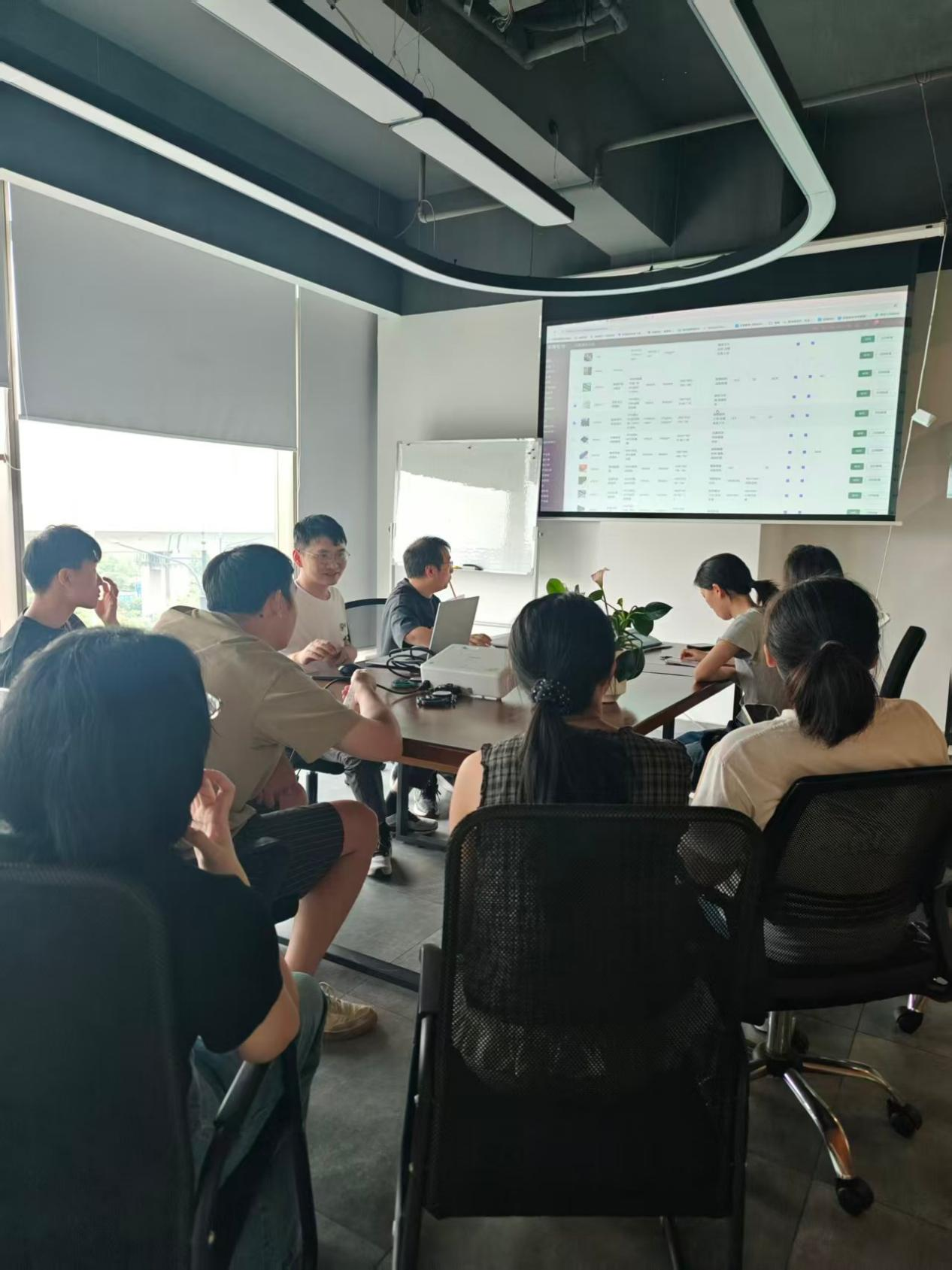
Most supplier websites show you containers and catalogues. We think buyers deserve to see something else as well: how a supplier thinks when conditions get difficult. On September 29, our Foreign Trade Department One sat down for exactly that kind of session — part market review, part operations planning — and the photo above is from the meeting room that day.
Why we held this meeting. Global trade in 2026 has not been a steady picture. Freight costs move, demand in different regions rises and falls unevenly, and currency and raw-material pressures shift from month to month. For a leather exporter working with customers across Asia, South America, and beyond, those swings are not abstract news items — they show up directly in quotations, lead times, and delivery promises. Our team's task was to separate signal from noise and decide what we would actually do about it.
The first half of the discussion: honest market analysis. Rather than assuming conditions were "normal," the team reviewed how these pressures are affecting our leather products specifically — which markets are holding steady, where buyers are more cautious, and where order patterns are changing. Understanding the real picture is what allows us to give customers accurate lead times instead of optimistic guesses.
The second half: efficiency and delivery. This is where the agenda turned practical. The team worked through how to raise production efficiency without cutting corners on quality, and how to keep every commitment to overseas customers — full quantity, correct specification, agreed schedule. As the projected view in the photo shows, our discussion was grounded in actual order and production data, reviewed line by line, rather than generalities. Department One does not promise what the factory cannot deliver; that standard is the point of the meeting.
What this means for you, as a buyer. When economic conditions tighten, the supplier relationships that hold up are the ones built on planning rather than improvisation. If you are sourcing leather and want a partner who reviews market conditions, production capacity, and delivery risk before quoting you, we would be glad to talk through your requirements — and to show you the process behind our commitments.
This article was prepared by our content operations team based on our internal review held on September 29. To discuss leather supply for your market, contact us through tangshinevip.com.