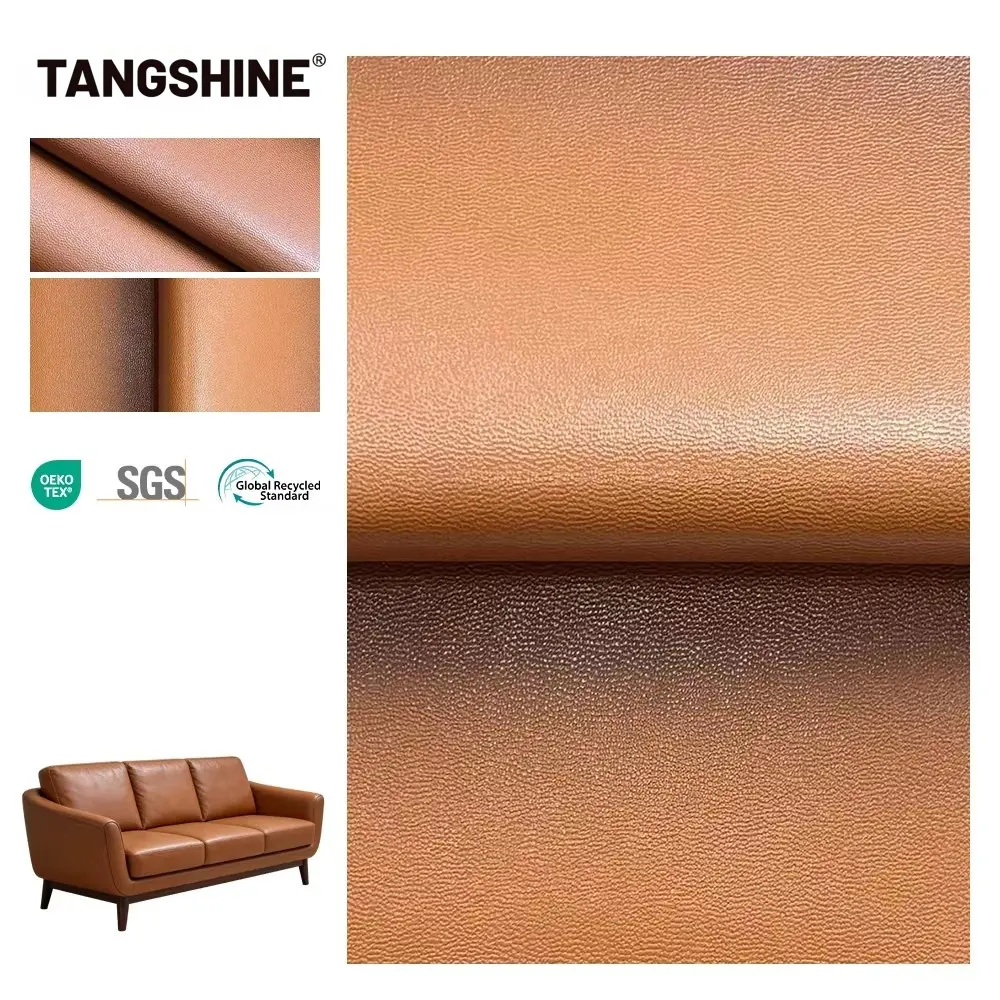
Have you ever plopped down on a fabric sofa on a warm afternoon and felt like you were sitting on a cozy, heat trapping blanket? Then, you sit on a sleek leather sofa and it feels instantly more refreshing. There’s a reason for that, and it all comes down to the science of the materials. If you are shopping for new furniture and trying to decide between the two, understanding the temperature difference is a game changer.
The secret lies in how these materials handle heat and air. Let’s break down why that leather option often feels so much cooler to the touch.
The Physics of Touch: Thermal Conductivity
The main reason a coated leather surface feels cooler is a property called thermal conductivity. In simple terms, this is how quickly a material can draw heat away from your body. When you sit down, your body heat transfers to the furniture surface. If the material is a good conductor, it pulls that heat away from your skin quickly, creating that immediate “cool” sensation.
Fabric, with its woven fibers and tiny air pockets, acts as an insulator. It traps your body heat right at the surface. That’s why fabric feels warm almost instantly—it’s holding your heat instead of moving it. The smooth, non porous surface of a coated leather, like the high quality PU and PVC materials we work with, allows for that rapid heat transfer, giving you a refreshing seat every time.
Breathability vs. Surface Temperature
Now, there is a common misconception that fabric is always the cooler choice because it “breathes.” While fabric does allow air to pass through the fibers, this actually helps warm air circulate right around you. In a warm room, fabric upholstery absorbs ambient heat and your body heat, holding onto it like a sponge.
Coated leather works differently. While it doesn’t breathe in the same way fabric does, its surface temperature is naturally closer to the room’s ambient temperature. Because it doesn’t absorb moisture or trap air the way cotton or polyester does, it never develops that “stuffy” feeling. This makes it particularly great for sofas and armchairs, where you want a sleek look without feeling like you’re sinking into a heat trap.
Moisture Management and Sticky Situations
Let’s be honest about a big concern with leather: stickiness. People often worry that leather will feel sticky on a hot day. But high quality coated leather is engineered to resist that. Because the surface is non porous, moisture from sweat doesn’t get absorbed into the material. Instead, it sits on top and evaporates quickly.
With fabric, moisture soaks into the fibers. Once that happens, you get that damp, uncomfortable feeling that is hard to shake until the fabric fully dries. On a humid day, fabric can feel clammy for hours. A well made coated leather sofa, especially those designed for breathability and comfort, allows you to sit comfortably without that lingering moisture absorption. It’s a cleaner, more hygienic feel.
Maintenance and Cleanliness Affect Temperature
This might sound a bit odd, but how clean your furniture is can actually affect how hot it feels. Fabric fibers trap dust, pet dander, and dirt over time. This build up creates an extra layer of insulation, making the fabric hold even more heat. Plus, trapped dirt can make the surface feel rougher and less pleasant to sit on.
Coated leather is famously easy to clean. A simple wipe down removes dust and keeps the surface smooth. That smoothness isn’t just about looks; it maintains the material’s ability to stay cool. When the surface is free of dust and debris, the thermal conductivity remains optimal. It stays looking sharp and feeling fresh, whether it’s used for sofas, bags, or even automotive interiors. It’s a material that doesn’t let grime build up to ruin the experience.
The Role of Structure and Ventilation
Another factor often overlooked is how the furniture is constructed. Fabric sofas typically have thick foam and batting that hug your body. You sink into them, which surrounds you with insulating material. Coated leather furniture, especially in modern designs, often has a firmer construction. You sit more “on” it than “in” it.
This structural difference allows for better air circulation around your body. When you aren’t sinking into a giant cushion, air can move between you and the armrests or the back of the sofa. This ventilation helps keep you cool. It’s a subtle but important reason why people often describe the experience of sitting on leather as feeling more open and less constricting than the deep sink of a fabric couch.
Durability and Long Term Comfort
We also have to think about long term comfort. Fabric upholstery tends to pill and wear down in high use spots. As the fibers break down, they become matted, which changes the texture and how the material handles temperature. A worn out fabric cushion holds heat even worse than a new one.
Coated leather is built to last. Materials like the premium PU and PVC options are engineered for durability, maintaining their texture and structure over years of use. This means the cool, comfortable sitting experience doesn’t degrade. The surface remains smooth and responsive to temperature, so you get that same refreshing feel years down the road that you enjoyed on day one. For families or high traffic living rooms, this long term consistency is a huge win.
Ultimately, the choice between fabric and coated leather comes down to the feel you want. If you prefer a surface that feels clean, sleek, and refreshingly cool, coated leather is a fantastic choice. It manages heat efficiently, doesn’t trap moisture, and offers a level of durability that keeps it looking and feeling great for years.
