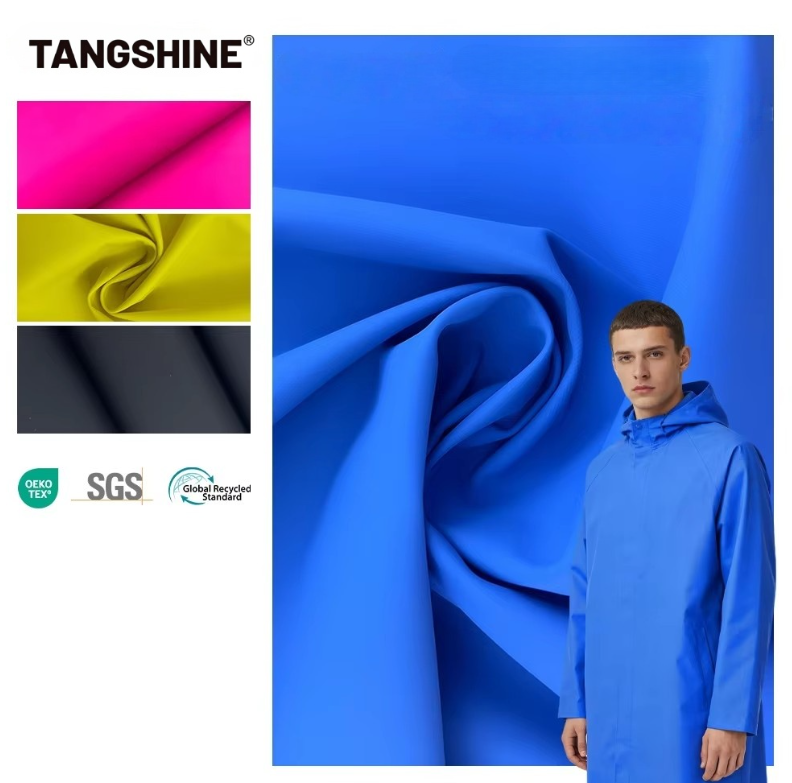
Let me tell you something that a lot of people do not realize until they have actually worked with the stuff. The way a piece of clothing looks on your body has just as much to do with the fabric underneath as it does with the pattern on the paper. You can have the best pattern in the world, cut by a master tailor, but if you pick the wrong leather fabric, the whole thing is going to look off. The shoulders might stick out in a weird way. The waist might bunch up. The sleeves could feel stiff and uncomfortable. That is why choosing the right leather fabric for clothing is such a big deal, especially if you are making garments that people actually want to wear.
Thickness and Weight Change Everything
Think about the difference between a heavy winter coat and a lightweight spring jacket. The same pattern cut in two different materials will fit completely differently. Heavy leather holds its shape. It stands up on its own. Lightweight leather does the opposite. It falls softly and moves with the body.
Leather fabric weight is usually measured in grams per square meter. A heavier fabric, say around 400 to 500 grams, will create structured garments with sharp lines. Think moto jackets or tailored blazers. Lighter materials, around 200 to 300 grams, are better for flowing pieces like skirts, dresses, or loose fit pants. The weight affects not just how the garment hangs but also how comfortable it feels to wear. Nobody wants to feel like they are wrapped in a rug.
Suppliers like TANGSHINE offer various thickness options so designers can match the fabric to the intended use. A bag needs different material than a pair of pants. A sofa cover is not the same as a jacket. Getting the weight right from the start saves a lot of headaches later.
The Type of Leather Determines the Feel
Not all leather is created equal. Lambskin is famous for being incredibly soft and lightweight. It drapes beautifully and feels almost buttery to the touch. That is why you see it used in high end fashion garments like trench coats, tailored jackets, and even leather pants. The downside is that lambskin is not as durable. It scratches easily and does not handle rough wear very well.
Cowhide is the opposite. It is tough, durable, and holds its structure. But it is also heavier and stiffer. A cowhide jacket will stand up to years of abuse, but it will never drape the way a lambskin jacket does. For garments that need to move with the wearer, lambskin is usually the better choice.
Then you have synthetic options like PU leather. These can be engineered to have specific properties. Some are made to be super soft and flexible. Others are designed for durability and water resistance. The beauty of synthetic leather is that you can dial in exactly what you need. Want a four way stretch material for leggings? That exists. Need a waterproof fabric for a rain jacket? That also exists. The control is in your hands.
Softness and Stiffness Are a Balancing Act
Here is where things get interesting. Fabric behavior is not just about weight. It is about how the material responds to bending and twisting. Researchers have shown that the drape ability of leather is significantly affected by things like stiffness, bending resistance, and the type of backing used.
A stiffer fabric will hold sharp creases and structured shapes. That is great for things like blazers or fitted jackets where you want defined lines. A softer fabric will flow and wrap around the body. That works better for dresses, skirts, and loose tops.
The challenge is finding the right balance. Too stiff and the garment feels like armor. Too soft and it might not hold its shape at all. Good manufacturers test their materials to make sure the softness level matches the intended application. They look at things like flexural rigidity and formability to predict how the material will behave once it is sewn into a garment.
Stretch Fabrics Change the Game
Traditional leather does not stretch. That is one of its biggest limitations. You have to build ease into the pattern because the material will not give at all. But modern manufacturing has changed that.
Stretch leather fabrics have a knitted or woven backing that adds elasticity. A two way stretch fabric stretches in one direction, usually the width. A four way stretch fabric stretches in all directions. That opens up whole new possibilities for garment design.
Imagine a pair of leather leggings. Without stretch, they would be restrictive and uncomfortable. With stretch, they move with your body and fit like a second skin. The same goes for fitted jackets, pencil skirts, or any garment that needs to hug the body. The stretch allows for a closer fit without sacrificing mobility.
Studies have shown that adding stretch fabrics to leather significantly affects the drape ability and bending stiffness. It is not just about comfort. It is about how the garment looks and moves on the body. That is why many suppliers now offer stretch options specifically for clothing applications.
The Backing Matters More Than You Think
Most synthetic leathers are made by coating a base fabric with a polyurethane or PVC layer. That base fabric, called the backing, has a huge influence on how the final material behaves.
A polyester backing creates a stiffer, more durable material. A viscose or cotton backing feels softer and more breathable. A knitted backing adds stretch and flexibility. The weight and thickness of the backing also affect the drape.
Manufacturers like TANGSHINE produce leather fabrics with different backing materials depending on the intended use. For garments that need to be soft and flowing, they might use a lightweight knitted backing. For bags or upholstery, they might use a heavier woven backing. Understanding what is underneath the surface helps you predict how the material will behave once it is made into clothing.
Seam Placement and Pattern Adjustments
Here is something that does not get talked about enough. Leather does not hide mistakes. You cannot just rip out a seam and sew it again without leaving visible holes. That means you have to get the pattern right the first time.
The choice of leather fabric directly affects how many seams you need and where you put them. A stiff leather needs more seams to create curves and shape. A soft, stretchy leather can get away with fewer seams because the material itself conforms to the body.
Seam allowances also vary based on the material. Thicker leathers need wider seam allowances and different stitching techniques. Thinner leathers can use standard allowances. Some patterns that work perfectly for woven cotton will fail completely when cut from a heavy cowhide. That is why experienced pattern makers always consider the fabric before they start cutting.
The bottom line is that the leather fabric for clothing you choose is not just a surface decoration. It is an active part of the garment that affects fit, movement, comfort, and appearance. Thicker materials create structure. Thinner materials create flow. Stretch fabrics allow for close fitting designs. Non stretch fabrics require more ease and careful patterning.
Before you start your next project, take a good look at the material. Hold it in your hands. Bend it. See how it responds. That little bit of attention upfront will save you from a lot of frustration later. And your customers will notice the difference. A garment that fits well and moves naturally is something people want to wear again and again. That is the whole point, is it not?
