Laser-Engraved Steel Rollers and High-Pressure Thermal Embossing
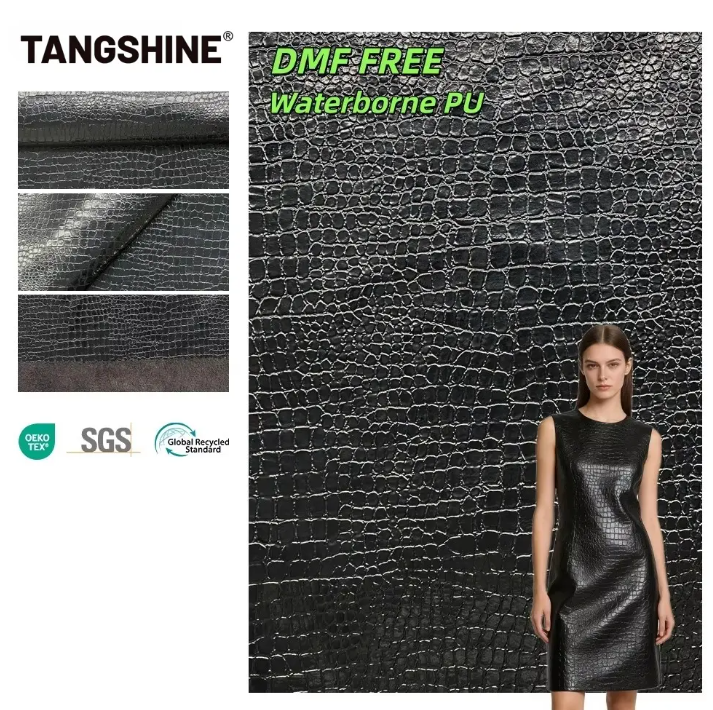
Walk past a display of structured handbags, tailored trench coats, or luxury lounge chairs, and the deep, sculptural ridges of reptile-inspired upholstery immediately catch the light. Unlike flat pebble grains that only indent the top few microns of a polymer skin, authentic-looking faux crocodile leather requires dramatic topological relief between the raised crown of each rectangular belly scale and the recessed hinge valleys surrounding it. On an industrial coating line, manufacturers achieve this three-dimensional architecture through heated rotary steel embossing. The process starts by scanning an authentic biological hide template with a three-dimensional optical profiler, then transferring that depth map onto a heavy seamless alloy steel cylinder using computer-controlled laser etching or multi-stage acid engraving. Once the base synthetic fabric leaves the coagulation or calendering line, it passes through an infrared pre-heating zone that softens the polyurethane or polyvinyl chloride layer to its exact glass-transition window. The softened web then enters the nip point between the heated engraved steel roller and a high-durometer rubber backing drum. Under hydraulic line pressure, the molten polymer flows up into the deep recessed cavities of the steel cylinder while an immediate chilled water-cooling roll freezes the scale geometry in place before elastic memory can flatten the peaks.
Release Paper Casting Versus Direct Calendered Roller Pressing
Not every garment or furniture piece can tolerate the compressed stiffness that comes from heavy post-coating steel embossing. When apparel designers need supple reptile textures for fitted pants, bodysuits, or lightweight jackets, factories turn to three distinct texturing workflows:
-
Direct thermal steel roller embossing: Best suited for thick polyvinyl chloride and semi-rigid polyurethane used in structured bags, luggage shells, packaging boxes, and car seat bolsters, delivering deep canyons and sharp umbilical pore details.
-
Engraved 3D release paper casting: Liquid polyurethane resin coats directly onto a heavy release paper pre-engraved with negative crocodile scales, curing inside multi-zone ovens before the paper peels away to leave a soft, uncompressed scale surface ideal for garments and gloves.
-
Vacuum thermoforming plates: Flat heated hydraulic presses stamp localized belly-center symmetrical patterns onto pre-cut handbag panels or footwear vamps where continuous roll patterns might look overly repetitive.
According to ISO 5402-1 flexometer testing standards for synthetic leather, casting liquid resin onto textured release paper preserves higher internal micro-porosity in the foam layer, allowing apparel-weight fabrics to bend tens of thousands of cycles without cracking along the thin valley hinges.
Comparing Embossing Technologies for Exotic Synthetic Grains
Choosing the right manufacturing route requires balancing valley depth against fabric drape, embossing speed, and downstream sewing behavior.
| Texturing Process | Maximum Scale Valley Depth | Resulting Fabric Hand-Feel | Pattern Repeat Geometry | Primary End-Use Application |
|---|---|---|---|---|
| Heated Rotary Steel Embossing | 0.4 mm to 1.2 mm deep relief | Firm, structured, high body retention | Continuous cylinder circumference repeat | Handbags, furniture upholstery, car seats, gift boxes |
| 3D Release Paper Transfer | 0.15 mm to 0.35 mm subtle relief | Supple, soft drape, four-way stretch capable | Continuous roll transfer with matte or gloss valleys | Fashion jackets, leggings, dresses, fitted catsuits |
| Hydraulic Flat Plate Stamping | Up to 1.5 mm localized relief | Rigid, molded architectural profile | Single-hide centered crown layout | Luxury luggage fronts, decorative wall panels, belts |
The production metrics above highlight a critical trade-off: pushing a heated steel roller too deeply into a thin garment-weight polyurethane base crushes the cellular foam layer, leaving the valley lines paper-thin and prone to tearing at the needle holes during garment assembly.
Field Lessons from a Paris Handbag and Outerwear Production Run
Ignoring polymer memory and two-tone tipping chemistry can turn an exotic texture run into a costly manufacturing reject. During a winter capsule development for a Paris-based accessories and outerwear label, a sourcing team ordered ten thousand meters of burgundy crocodile-embossed polyurethane from a small subcontracted finishing shop. When the rolls arrived at the cutting facility, two major defects halted production. First, when structured tote bags were turned right-side-out under steam heat, nearly half of the deep scale ridges relaxed and flattened out, leaving the bags looking smooth and washed out. Second, the dark antique dye applied to the scale valleys rubbed off onto white cotton linings during ASTM D4060 Taber abrasion checks. A technical audit revealed that the subcontractor had run the embossing line too fast at an under-heated roller temperature, merely pressing elastic tension into the polyurethane rather than melting and resetting the polymer chains. Furthermore, the shop had used incompatible solvent-based wiping ink without a cross-linked topcoat. Transferring the contract to a vertically integrated synthetic leather and digital printing factory resolved both failures. By formulating a high-modulus polyurethane intermediate foam layer, running slower dwell times under the heated engraving roller, and applying precision multi-pass digital printing aligned with two-tone valley shading, the scale crowns retained crisp elevation even after steam shaping.
Multi-Tone Valley Tipping and Sourcing Turnkey Exotic Fabrics
Physical depth alone rarely convinces the human eye. If an embossed crocodile sheet stays one flat, monochromatic color from peak to valley, it looks like stamped plastic rather than artisanal leatherwork. Authentic visual depth requires secondary surface finishing known as tipping or valley shading. After embossing, rotary gravure kissing rolls or high-precision digital print heads deposit a contrasting darker tint across the raised scale domes or settle antique pigment into the recessed crevices, followed by a high-gloss polyurethane lacquer or a waxed matte topcoat.
For fashion houses, upholstery contractors, and accessories brands seeking reliable exotic textures without batch-to-batch drift, Tangshine combines over two decades of synthetic PU and PVC manufacturing expertise with an expansive coating campus and a sixteen-machine digital print factory. By controlling resin formulation, deep-relief steel embossing, release paper casting, and multi-pass digital coloration under one roof, the team delivers durable, richly textured fabric solutions across global apparel, bag, automotive, and furniture markets.
Table of Contents
- Laser-Engraved Steel Rollers and High-Pressure Thermal Embossing
- Release Paper Casting Versus Direct Calendered Roller Pressing
- Comparing Embossing Technologies for Exotic Synthetic Grains
- Field Lessons from a Paris Handbag and Outerwear Production Run
- Multi-Tone Valley Tipping and Sourcing Turnkey Exotic Fabrics
